Category: High School Abroad

  • Unlocking Independence: The Transformative Power of Sending your Teen Abroad

    Unlocking Independence: The Transformative Power of Sending your Teen Abroad

    by Ana Mirzashvili

    “Cultural exchange programs help build bridges between people and nations!” If you’ve spent any time in this industry, you’ve probably heard that phrase a thousand times. And for good reason—it’s the heartbeat of what we do. Every day, we dedicate ourselves to creating these connections, fostering citizen diplomacy, and opening doors for countless life-changing experiences. We believe in the power of cultural exchange to unlock independence when you send your teen abroad.

    There are so many ways to be a part of this magical journey. You could study abroad, work abroad, enroll in a short-term language course, or even host an international student in your home. No matter which path you choose, you’ll witness firsthand the beauty of two different cultures meeting and learning from each other.

    The Long-Term Impact of Cultural Exchange Programs

    Cultural exchange isn’t just about the short-term benefits, though those are pretty amazing—like rapidly improving language skills. The real magic often shows up in the long run. As time goes by, participants reflect on the subtle ways these experiences shape who they are—their resilience, independence, and empathy for others. It’s the kind of personal growth that sticks with you for a lifetime.

    Take it from me—I was just twelve when my parents sent me on my first cultural exchange. I spent three months in Freiburg, Germany, attending a teen language camp and living with a host family we’d never even met. Family friends were shocked: “Germany? Alone? At 12 years old?” But there I was, navigating school, exploring an unfamiliar town, and adjusting to life in a new home.

    Was it smooth sailing? Absolutely not. I remember calling my parents in tears, complaining about the food, or how small the house felt compared to what I was used to. That’s the thing: when teens arrive in a new culture, their first instinct is to compare everything to home, and at first, all they see are the differences. But eventually, we stop resisting and start absorbing. Slowly, we embrace the beauty of what’s new and different.

    That’s the real magic of cultural exchange—the lessons unfold over time, often long after the program ends. And those lessons? They last a lifetime.

    Take a Leap of Faith

    Fast forward, and I’ve now worked in the cultural exchange industry for almost six years, proudly running programs as a Director of Greenheart Travel. These programs are close to my heart because I’ve been on both sides—as a student and as someone helping today’s teens take that same leap.

    Sending your teen abroad is a huge leap of faith—not just for the student but also for the parents. Trusting your child’s ability to navigate their independence can be hard, even when you know they’re ready. But here’s the thing: by holding back, you risk standing in the way of their chance to grow, explore, and discover their inner confidence.

    For parents about to send their teen abroad, I want to offer a bit of advice: don’t accompany them to their destination. As tempting as it may be to see where they’ll be living, this is often more for your peace of mind than theirs. Instead, say your goodbyes at home and let them make the journey solo. That first solo step—arriving in a new country, meeting their host family, knowing they did it all on their own—that’s a powerful moment. It’s their first win, and it sets the stage for an unforgettable experience.

    Let them fly. You’ll be amazed at how high they soar.
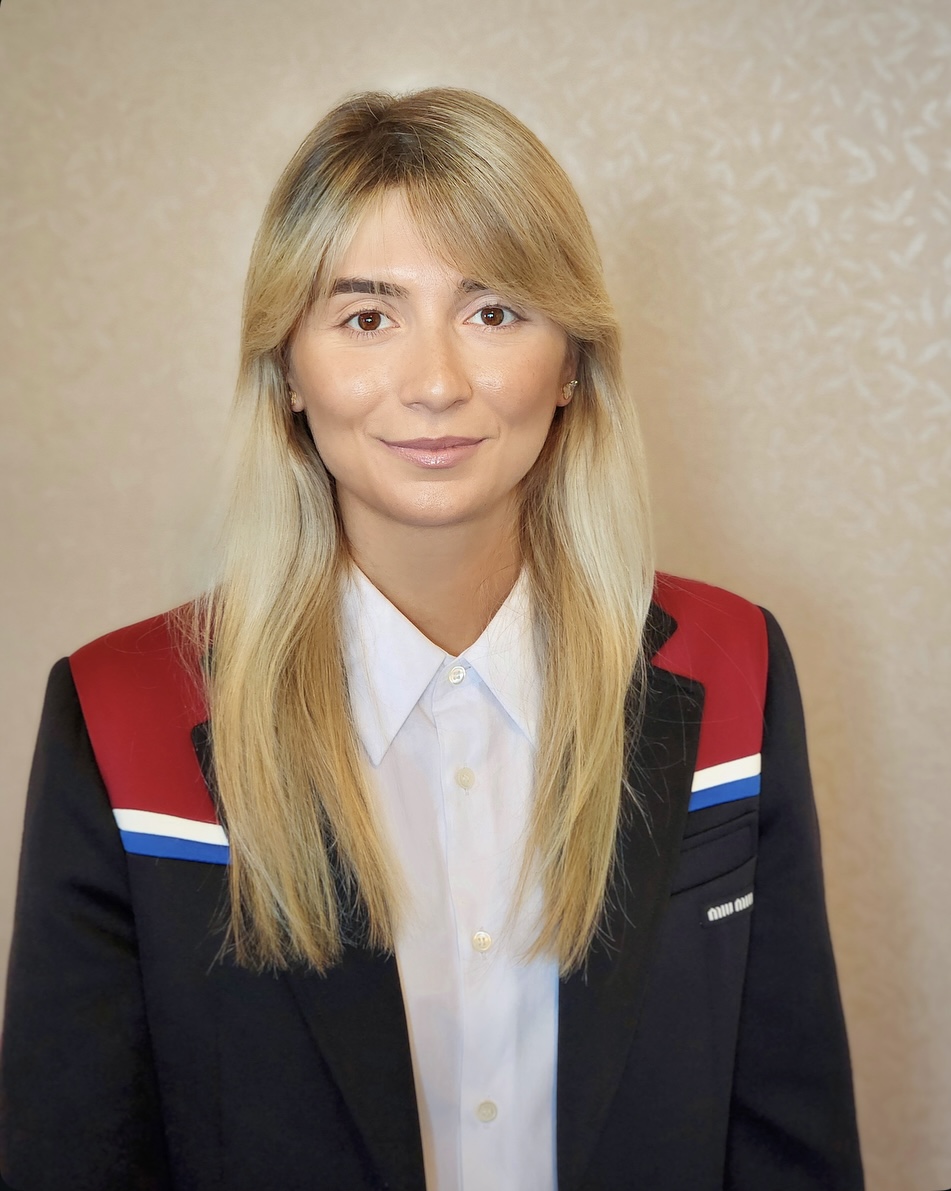
    Ana Mirzashvili

    Thank you Ana for sharing your story! 

    Ready to learn more about Greenheart Travel’s cultural exchange programs for teens? 

  • Greenheart’s First Time Traveler Scholarship Winners for Spring 2024!

    Greenheart’s First Time Traveler Scholarship Winners for Spring 2024!

    Every year, Greenheart makes scholarships available to First Time Travelers. These scholarships are intended for those who have never traveled out of the country and want to immerse themselves in another culture. Here are just some of the winners of the 2024 First Time Traveler Scholarships and their thoughts on travel!


    Name: Clara

    Program: High School Abroad in Sweden

    Why is the opportunity to travel for the first time exciting for you?

     It opens a whole new world of experiences and opportunities, immersing myself in different cultures, trying new foods, exploring breathtaking landscapes, and meeting people from all walks of life. I’m getting a chance to break free from familiar everyday life and embrace the unknown. I’m excited to be in the shoes of a Swedish teenager and experience everything that comes with it. I’m hoping to be able to explore and soak up everything around me.


    Name: Alana

    Program: Teen Language Camp in Japan

    What does Greenheart Travel’s Mission, “Travel for a Change,” mean to you?

    “Travel for a Change” to me, means the opportunity of becoming more aware of other places and cultures in the world. It signifies the internal change that one will go through while experiencing all these ways of living life that are unlike our own. With the opportunity of traveling and visiting new places, you will learn new cultures, food, fashion, languages, and more. While you travel and come across all these experiences, you will gain a broader understanding of the world. The places you visited will leave an imprint on who you are and who you will become as a person therefore, changing you from who you used to be into someone with more comprehension of cultures and lifestyles.


    Name: Naomi

    Program: High School Abroad in Argentina

    What does Greenheart Travel’s mission, “Travel for a Change,” mean to you?

    To me, “Travel for a Change” means that travel breaks down barriers and prejudices between the traveler and those being visited. Furthermore, travel also builds bridges in the places of those barriers and prejudices. These changes that occur while traveling ultimately allow our world to be a more loving, accepting, and connected environment. As people begin to be more accepting of other cultures through travel, the world becomes a better place.


    Name: Sadie

    Program: High School Abroad in Italy

    What does Greenheart Travel’s Mission, “Travel for a Change,” mean to you?

    To me, traveling for a change also means you evolve who you are as a person and your perspective on what may be considered ‘normal’ because it provides the opportunity to see how others live! That’s why I want to actually live with a family in Italy. To live and invest in relationships with others around the world is a truly rewarding experience. Travel also forces you to grow as a person by stepping outside of your comfort zone, learning to handle responsibility, navigating different forms of transportation, learning about different currencies, language and relating to others with different backgrounds and traditions. I think travel has the capacity to help teens like me grow and gain so many more tools than what may be possible without the experience of travel.


    Name: Madeleine

    Program: High School Abroad in Ireland

    Why is the opportunity to travel for the first time exciting for you?

     Ever since I was young, my main goal has been to see the world. I’ve always recognized that there is much more to explore beyond my backyard. From the gorgeous hills of Ireland to the seaside cities in Greece so many call home, there are countless people to meet and endless astounding views. To not only get to travel outside of America for an extended period of time but to also be fully immersed in the day-to-day experience of the citizens there, is a first-time, life-changing experience. I am excited to connect to new people and to be able to return to the United States with a new outlook on my life!


    Name: Kennedi-Grace 

    Program: Teen Language Camp South Korea

    What does Greenheart Travel’s Mission, “Travel for a Change,” mean to you?

    “Travel for a Change” implies traveling with the intention of being a forever learner. To learn how to make a change in your community by learning the values of the different cultures around the world. To make a difference in the communities we are a part of, we need to be able to see ourselves from a different perspective. To learn what it means to be a community and learning to come together despite our differences.


    Name: Zev

    Program: Teen Language Camp Spain

    What does Greenheart Travel’s Mission, “Travel for a Change,” mean to you?

    For me, travel symbolizes more than just visiting new destinations; it’s a transformative odyssey that promises to shape my worldview, enrich my understanding of diverse cultures, and foster a profound sense of empathy and connection with the world. Stepping beyond the borders of familiarity, I anticipate encountering unfamiliar landscapes, immersing myself in vibrant cultures, and forging meaningful connections with people from all walks of life.


    Name: Jade 

    Program: Teen Language Camp France – Saint-Malo

    Why is the opportunity to travel for the first time on your own exciting for you?

    I have never gotten on a plane by myself to a foreign country. I’ve never needed to navigate my way to a destination, nor been forced to figure out how to find my way – no less all by myself. The idea of living in a foreign city, with a new family, and leaving my home family and friends behind is something I’ve never done before. While it is all a bit intimidating, it is at the same time exciting, interesting, and adventurous!


    Name: Anna 

    Program: Teach Abroad Thailand

    What does Greenheart Travel’s Mission, “Travel for a Change,” mean to you?

     “There is a famous quote that says, “The sky is the limit, but there are footprints on the moon.” Like the Greenheart mission, this saying means that we create our own limits. We are not constrained to one location, aspiration, or situation unless we force ourselves to do so. Traveling can be intimidating, but it can also be the most rewarding accomplishment of a lifetime if we allow ourselves to have it. We are the creators of our own destinies, so only we have the power to step outside of the boxes in which we confine ourselves.”


    Learn more about Greenheart’s First Time Traveler Scholarships

  • What Students Need to Submit before Traveling Abroad!

    What Students Need to Submit before Traveling Abroad!


    You finally decided on studying abroad and the excitement is in full swing.  The first steps in applying to study abroad with Greenheart are easy! Click our apply button, fill out the form and have a conversation with our program managers. Once you’ve decided on the program and dates though, there is still more that needs to be done. Greenheart has a list of requirements that some participants either forget about or don’t allow themselves enough time to collect.

    We want to highlight below a few of the lesser-known or time sensitive forms that students need to submit to be able to Study Abroad with Greenheart!

    1. Academic Transcripts

    Academic transcripts help the host organization understand your previous academic performance and inform placement decisions regarding schools and/or courses that might fit well based on your current skills. Students will want to request these early as it sometimes takes the school a while to process a request for a transcript

    1. Medical Forms

    Needs to be completed by an authorized medical practice or doctor. We recommend that students work on this early as it can sometimes take a while to get an appointment with their healthcare provider. Students will also need to provide a full record of immunizations.

    1. Recommendations

    1 recommendation is required for all HSA programs. 2 recommendations are required for countries with a foreign language requirement. The second recommendation in this case should be from someone familiar with your foreign language studies. We recommend planning in advance for this task to give your recommenders ample time to complete your recommendation form.


    While Greenheart has a whole list of required documents from our participants (which you can find in the Application Process tab of any Program), these items are the ones that will take a longer amount of time and commitment. Allowing yourself time to get these items is the most important thing!


    To learn more about our programs, make sure to head to the Study Abroad Programs page!

  • My Daily Life as a Teen Language Summer Camp participant in Japan

    My Daily Life as a Teen Language Summer Camp participant in Japan

    My time in Japan was some of the most fun, exciting, interesting, stressful and lonely days of my life. I loved my host family, especially my host siblings, my host brother who loved playing with
    toy cars and making stuffed animals fight, and my host sister who loved making funny faces and playing games.

    Navigating Japan was a challenge, but a welcome one, Osaka and Kyoto were wonderful cities, full of interesting architecture and beautiful areas of greenery that broke the
    monotony of concrete. Using public transit for the first time in my life was a challenge, but the Japanese public transit system was clean, affordable, and (relatively) straightforward. The food
    in Japan was incredible. My host Mom Yuki san made me the best spaghetti I’ve ever had with octopus and zucchini sauce. She also made me a fried porkchop that was so tender at first I
    thought it was fish! The combini food was so good and affordable, me and all the rest of my GenkiJACS classmates ate at the 7- 11 across the street almost every day.

    Many of the things I experienced in Japan were awesome, but some of them were less then, and at times, extremely stressful. On my first day, my flight from San Francisco to Tokyo was delayed, so I had to take a new flight from Tokyo to Osaka. Because of this I was quite late to my pickup point. I remembered in the email about the pickup that my ride wouldn’t leave without me, but because of just how late I was, he had left. This left me stumbling around the airport trying to figure out what to do for over 3 hours, lugging around 50 lbs of luggage on my back (I carried my luggage in an army surplus backpack instead of a suitcase) until I was able to call my school in Japan, and they called me another taxi to come and get me. I had the cool experience of my taxi driver being a JDF F-15 Eagle fighter pilot, and when I got to the Yoshida’s house there was a meal and a bed waiting for me. My first time traveling on my own was quite the learning experience. After thanking them profusely, I went to bed.

    That morning there was no rest for the weary and I was off to school. Yuki san showed me how to ride the bus from their house to Takatsuki-shi station and from the station which stop to get off on. I was able to make it to school all right, and with some difficulty I made it back from school onto the correct train. After just barely getting off at Takatsuki-shi (I was distracted by the mountains) I realized I had no idea of which bus to take home. So after some pondering, I pulled out my screenshot of my host family’s information, and typed their neighborhood into my maps app. Unfortunately, I wasn’t able to enter their address, just the neighborhood. At the time I didn’t know that this would cause some major difficulties down the line. I began to walk to their house, down winding back roads, along deep green canals, and across busy intersections. The trek took me the better part of two hours. However, because I couldn’t actually find the Yoshida’s house I stumbled around looking for a pay phone (at the time I did not have a Japanese sim card) until Yuki san called me, then came and picked me up. It was, to say the least, an interesting start to my time in Japan!

    These experiences, while stressful, definitely gave me a hands on experience for traveling independently for the first time and while it was hard at times, I’m happy to have gone through it and to come out with amazing memories overall. So glad I traveled!

    To learn more about Greenheart’s Summer Language Camp Japan Program, check out the page here!

  • 6 Reasons Why Traveling Abroad is Important for Young People

    6 Reasons Why Traveling Abroad is Important for Young People

    In high school and college it is likely that you will receive some kind of encouragement to travel, study or work abroad. It may seem like you have a lot going on so you don’t seriously consider these opportunities or maybe you write them off since you plan on traveling later in life. I would encourage traveling at any age, but the earlier you can learn the lessons travel teaches the better.

    When you are young, you are still finding yourself and preparing for your school and career. The skills and experience you gain from traveling abroad can give you life-long personal benefits as well as a leg up in the professional world.

    In high school and college you have the luxury of having flexibility since you can study anywhere in the world and have relatively long study breaks. It is a prime time to take advantage of your freedom and youth.

    Top 6 reasons to travel abroad while you are young:

    1. You’ll Get Out of Your Comfort Zone

    As young people most of us have a pretty established comfort zone. At home with mom and dad, in a community that has known you for probably a good part of your life. You have your established, friends, activities, hangouts and possibly jobs. We become comfortable in these daily roles and the idea of breaking out them can be scary and uncomfortable.

    The problem is, you learn the most in uncomfortable, unfamiliar situations. In our daily routines, you know how to act and respond to people and your surroundings. Being in a new place, with different people, who hold different values and go about life differently (or not so differently you may find) strips all that familiarity away.

    It can be scary, but once you figure out that you can connect with people despite differences, and you can navigate foreign environments, you become a smarter, more competent individual. Embrace the discomfort. Search for it, because it is helping you grow.

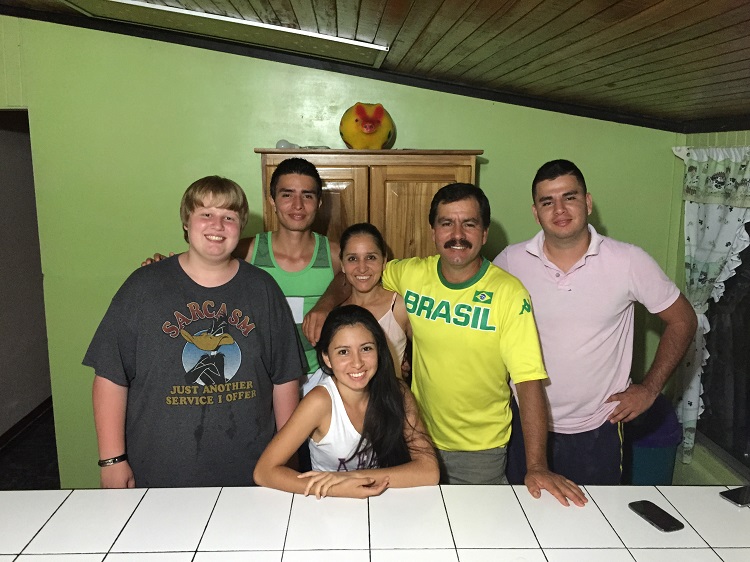
    Danny Scott with Host Family resized

    Greenheart Travel participant, Danny Scott, with host family in Costa Rica.

    2. Traveling Builds Confidence

    As you conquer the obstacles of figuring out how to use public transit in a foreign country, or asking for simple things in a grocery store, you are building a confidence and ability to adapt in foreign situations. I remember moving to a country where I spoke little to none of the language.

    When I returned home, I moved across the country to a state where I had no family, friends or connections. The prospect of that move may have intimidated me before living abroad, but then I thought to myself, ‘Well, if I can do it abroad in a completely foreign system, I will be just fine in a place where I at least share the language.’

    You realize that you CAN do things, despite the obstacles and suddenly the obstacles seem less obstructive and more like welcomed challenges.

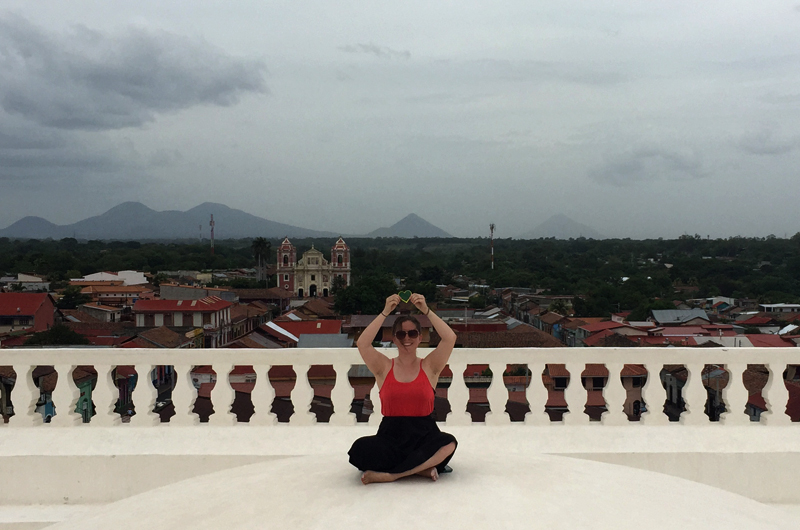
    TEFL-certification-in-Leon,-Nicaragua

    Greenheart Travel TEFL student taking in the city of Leon, Nicaragua.

    3. You Will Develop Cultural Sensitivity

    Being culturally sensitive is key in our globalizing world. It is not enough to say “people from X country are like this.” It is important to look for underlying values that may explain a certain behavior in order to practice cultural sensitivity. A good example is when I was in Spain (especially in the south), where they take a 2-3 hour siesta and lunch in the middle of their work day.

    Many people view this cultural norm as the people just being lazy when it really has a lot more to do with the fact that historically Spaniards value family face time. Eating together as a family is more important to them than maximizing work time by scarfing a sandwich down at their desks.

    Being aware of cultural values and norms is not only fascinating, but can help us understand international issues and conflicts, or even relate to the cultural norms of a foreign business partner. It is an important skill to be able to shift perspectives and see where someone else is coming from.

    Cultural sensitivity will help you with your communication on both business and personal levels.

    studying-abroad-in-spain

    Greenheart Travel high school student in Spain.

    4. You Can Adapt to Globalization

    Whether you like it or not, with the internet and social media, we are globalizing quickly. It is not unlikely that you would end up with a job that has you travel for business or take part in conference calls with international business partners. In our globalizing world it is important to be culturally sensitive and it can’t hurt to know a foreign language.

    In the business world, having lived abroad can give you a competitive edge. Use the confidence and cultural sensitivity that traveling helps you develop and help it make you successful.

    volunteer-in-thailand

    Get work experience teaching English or completing an internship in Thailand.

    5. Be Immersed in a Second (or Third) Language

    Before I lived abroad I never truly understood the beauty of becoming fluent or even proficient in another language. In the United States we don’t need to know another language, or many would argue that. Once you travel abroad you realize that especially in Europe, almost everyone you meet speaks at least two languages somewhat proficiently.

    We in the States have a bit of a disadvantage since geographically we cannot country-hop as easily as Europeans can. This is why traveling, especially for us, is even more important.  I would argue that in the globalizing world it really can only benefit you to speak another language. Not to mention, it opens up a whole new world of people you can now connect with and understand that you would never have gotten the chance to get to know had you never learned their language.

    Living abroad is really the best way to learn a new language since you are forced to challenge and practice your skills on a daily basis.

    explore-france

    Greenheart Travel students perfect their French language schools at our language camp in France.

    6. Infinite Opportunities to Network

    I have studied and worked abroad and made some incredibly valuable connections. If you are interested in working internationally or even just having a couch to stay on in a country that you love, never underestimate the value of networking wherever you go.

    One thing I have learned in my time abroad is that people are generally very friendly and love to talk about their home and culture. This is not always the case, but more than often it is. Making friendships abroad can make this big world seem a little smaller and help you feel more connected wherever you go.

    The best advice I can give is to meet as many people on your travels as you can. It will definitely make your time abroad more enjoyable since the locals know best! Plus you never know when these connections will come in handy in the future whether visiting each other for fun or otherwise.

    Do you agree or have you traveled abroad as a young person? Share your experience in the comments below!

  • Greenheart Travel visits Williamston High School in Michigan to Talk Travel with Teens

    Greenheart Travel visits Williamston High School in Michigan to Talk Travel with Teens

    Greenheart works with hundreds of schools across the USA who host international teachers and who welcome high school students from more than 60 countries. And we also like to make sure that the schools share with their all the opportunities that exist to travel abroad for a high school semester or year, or gap year programs. Recently, Alexandra Metcalf, Greenheart Travel’s Manager for High School Abroad and Short-Term Teen Programs visited Williamston High School in Michigan.  Here’s what she had to share:

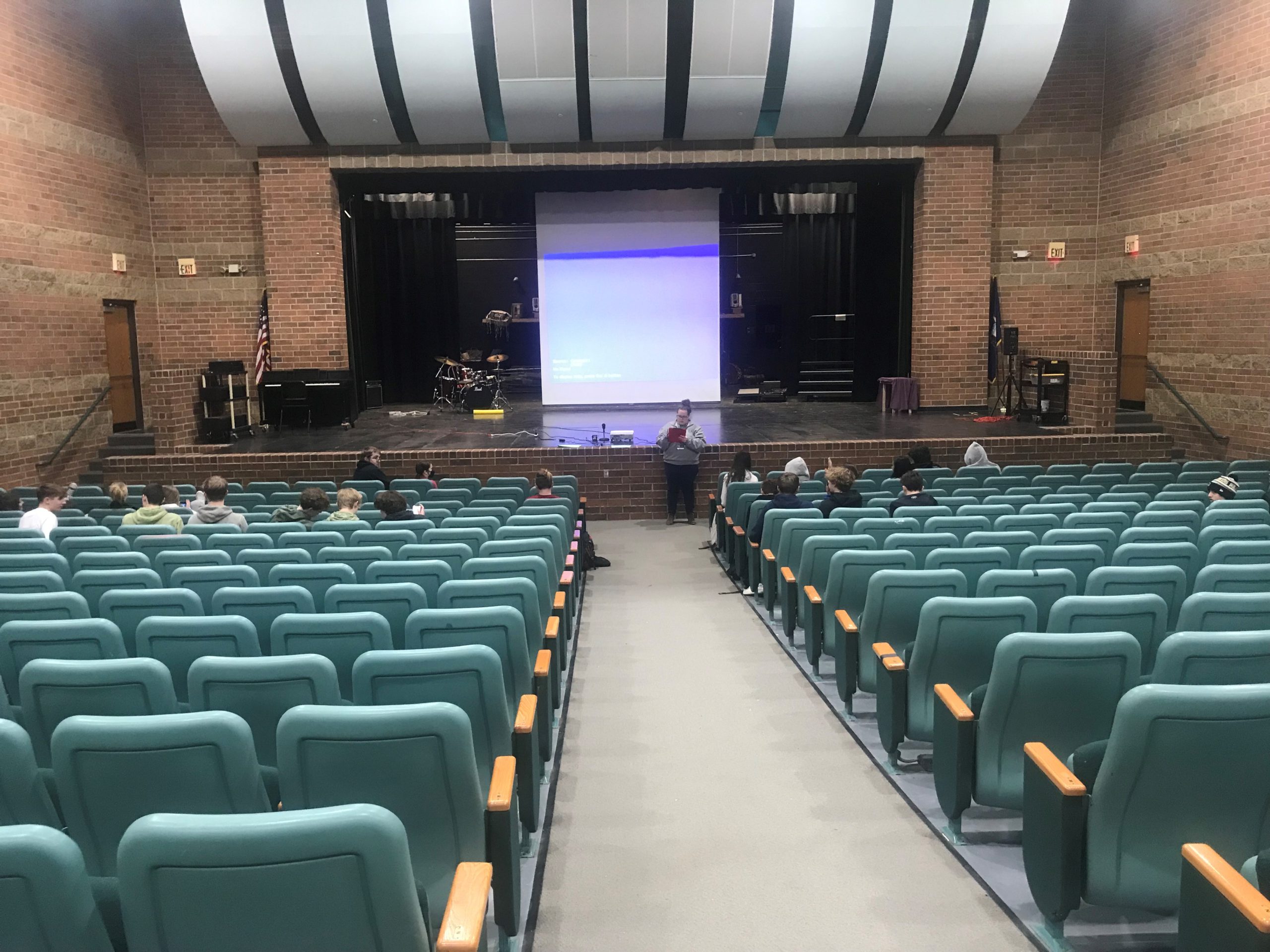
    On February 7, 2023, I had the pleasure to visit Williamston High School in Williamston, Michigan. During my visit I connected with students and faculty on the study abroad programs that Greenheart Travel offers to high school students. Williamston high school has a great support system in place for students motivated to study abroad in addition to annual scholarships offered to interested students. The school’s scholarships are beneficial and very generous, helping to supplement the cost of a high school abroad program.

    During my visit, I presented to six different groups of students which included freshman, sophomore, and juniors. Greenheart Travel offers high school programs to students aged 14-18 years old, it was great to have a variety of ages in the audience and spark interest in students who were unfamiliar with the study abroad process. It was beneficial to have a direct conversation with students and be able to go in depth about the countries we offer, the eligibility requirements to participate in our programs, how the application process works, and for the students to have the opportunity to ask questions.


    A lot of great questions were asked such as:

    • How will this affect my current high school classes?

    • What are the benefits of studying abroad?

    • What happens if you don’t get along with your host family?

    It’s important to understand how studying abroad will affect a student’s current high school class and graduation plans.  And every school handles it a little differently. Williamston provides a four-year plan that breaks down the credits and classes that students need to graduate and how studying abroad can fit into that plan without disrupting their graduation. Schools who provide this information to their students help make studying abroad a reality.

    I shared my personal experience about studying and living abroad and how it benefitted and impacted my life while also expanding on the support Greenheart provides to students and parents if challenges arise during their program. Studying abroad is exciting, and yet sometimes it can be an overwhelming process to apply and go. I wanted to reiterate the assistance that Greenheart extends to all participants to reassure them that we are here to help at the beginning, middle, and end of their time abroad.

    Greenheart Travel is very grateful for our partnership with Williamston High School and appreciate the resources, care, and encouragement they provide to their students to take the first step into what is hopefully a life-changing experience.

    Gathering for the presentation


    Thank you Alexandra for sharing!  

    If you are a teen, or a teacher, or a parent of a teen, and would like more information about Greenheart Travel’s High School Abroad Programs please visit GreenheartTravel.org.

  • Leaving Home – A First Time Traveler goes to High School in Argentina

    Leaving Home – A First Time Traveler goes to High School in Argentina

    Greenheart Travel knows the power of travel. That is why we’re committed to helping people who haven’t had the chance to immerse in a new culture, travel, or live abroad. Every year, Greenheart Travel offers First Time Traveler scholarships to help new travelers get out and meet others around the world.  Recently Max won a First Time Traveler scholarship to attend Greenheart Travel’s High School Abroad in Argentina.  Here is a little bit about his first independent travel experience!

    Leaving Home – by Max K.

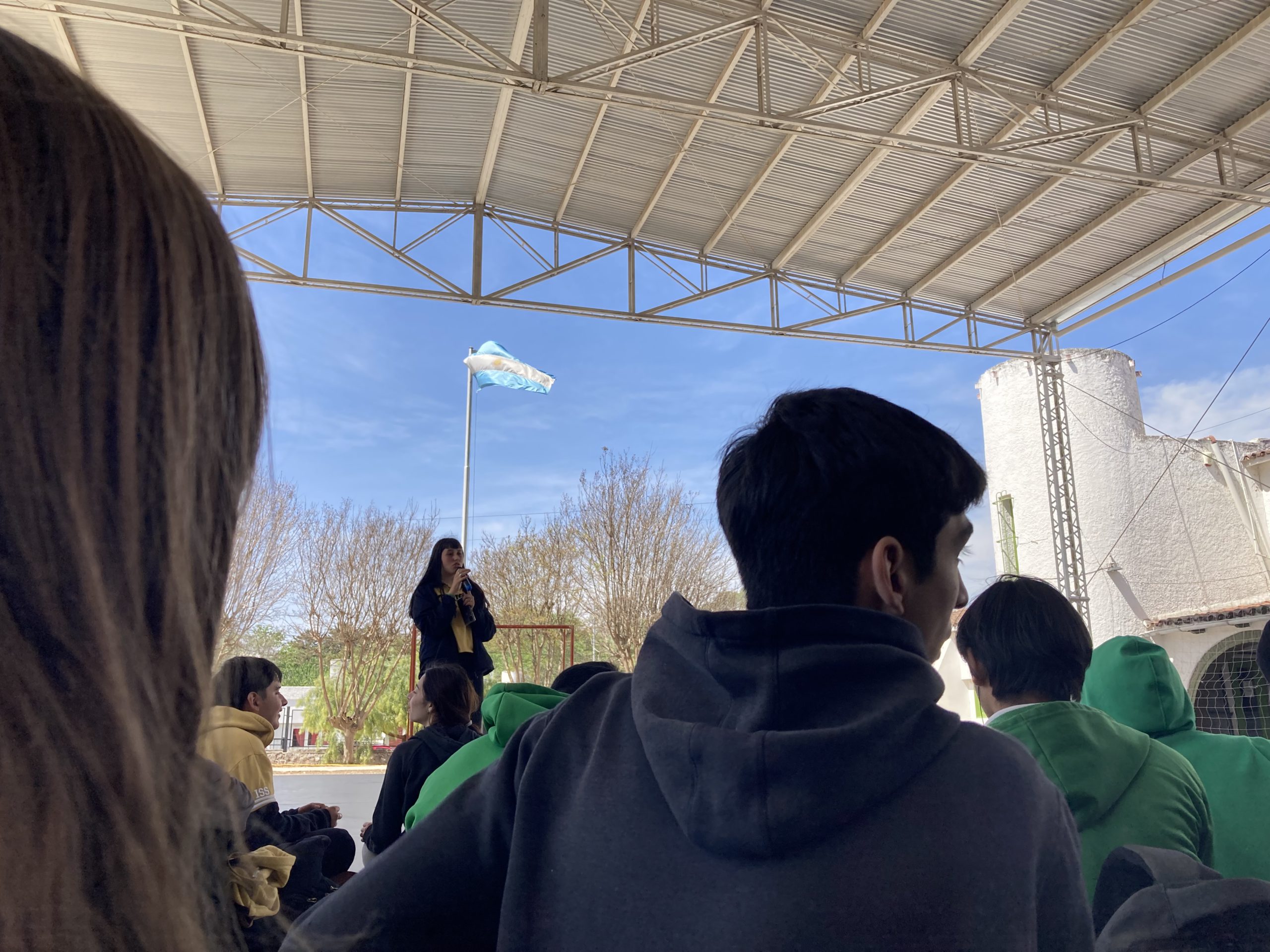
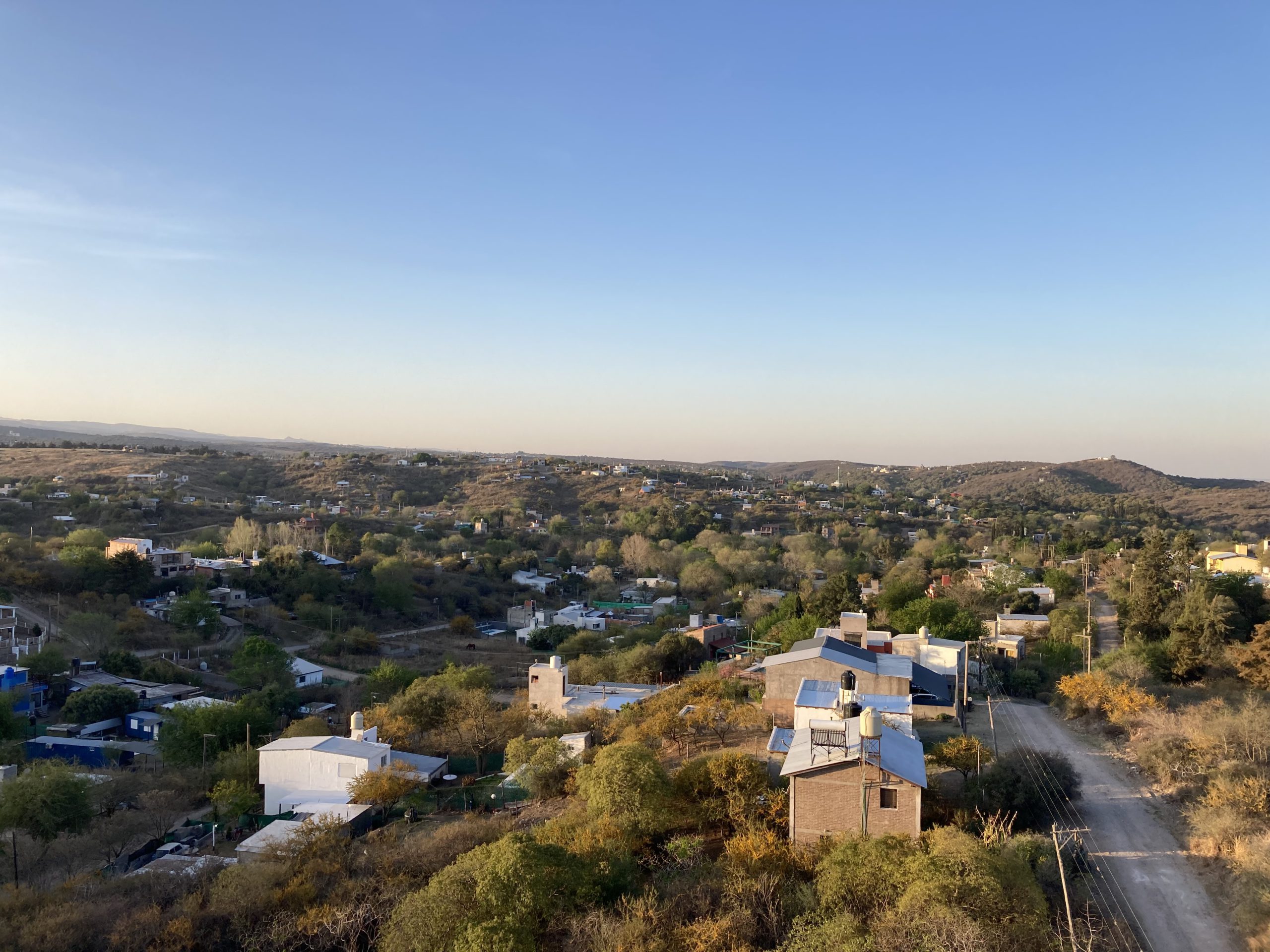
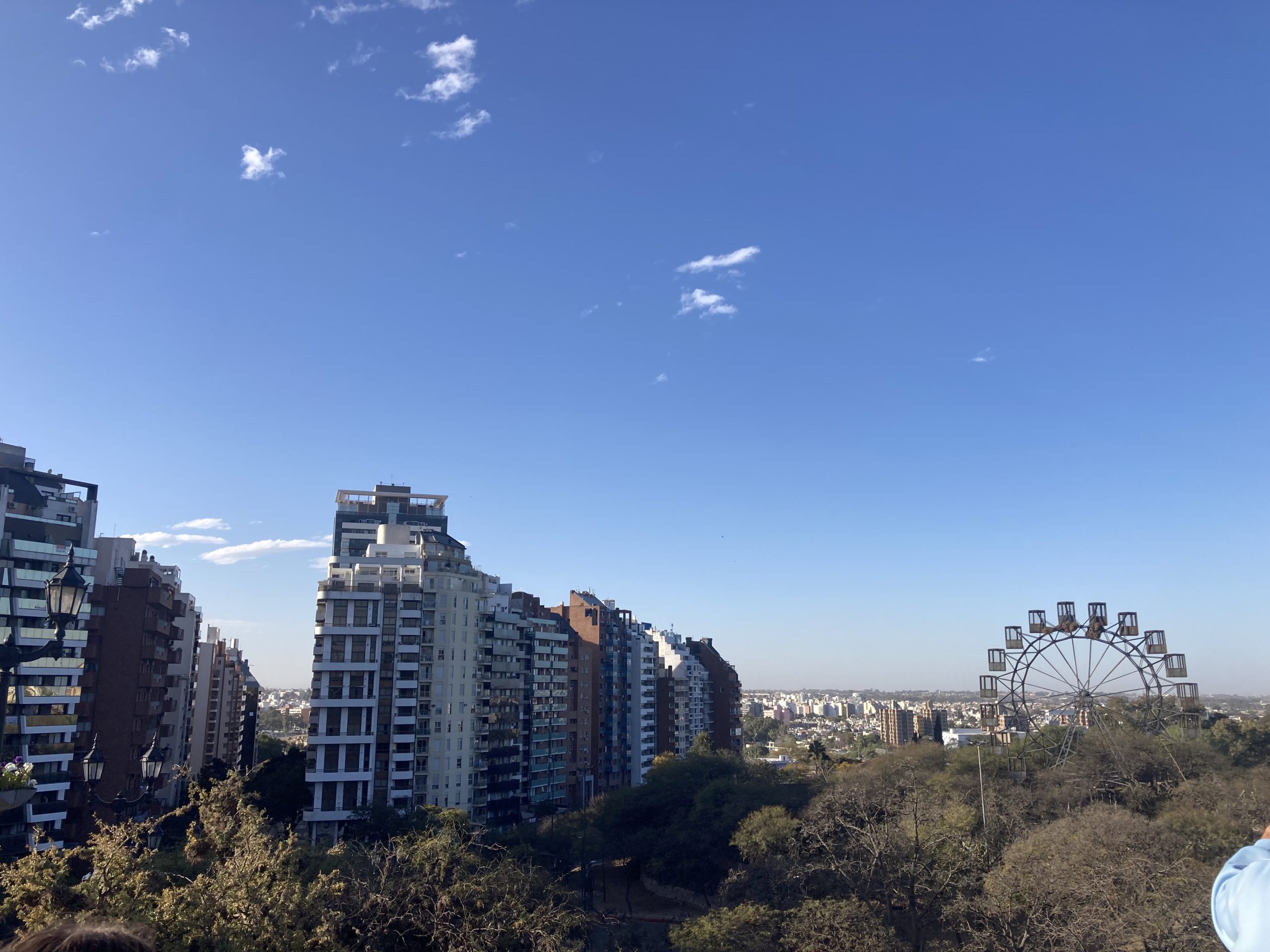
    “Do you like it here in Argentina? Do you miss home?” These are the two questions I get asked daily as a foreign exchange student. My answers are always the same: yes and yes. In reality, the way I feel about spending my senior year of high school in Córdoba, Argentina is much more complex than a one-word response.


    I’ll take a few steps back- my name is Max. I’m from a small town in Wisconsin and I chose to move abroad last spring after receiving the First Time Traveler Scholarship from Greenheart Travel. Before coming here, I had no clue what to expect. I was too caught up in applying for my visa, tying up loose ends, and writing packing lists to stop and think about the gravity of my situation; I would be leaving everything and everyone I knew behind. Before the unimaginable, it has become the reality I’ve come to know well.

    Recently while hanging out with a friend from the next town over, he told me that he might be moving to another province. He seemed to be infatuated with the idea of living somewhere where nobody knew who he was – the ability to “reinvent” himself and do his own thing alone. I realized I had felt similarly before coming here. So, I told him exactly what I wish I had known before I decided to come here: Making a big move is hard. It’s much more complex than just skipping town and creating a new image for yourself. You will miss your family, your friends, the places you always visited, and the streets you walked more than you could ever imagine. When I came here, the culture shock (the scary word that Greenheart loves to use) of not recognizing anyone or anything knocked me off my feet.

    I was faced with numerous preconceived notions about myself as an American. My lack of proficiency in Spanish was sometimes equated to blatant stupidity. Rather than “reinventing” who I am, I found myself fighting to rebuild the personality and confidence in who I was as a person that I had spent my whole life in the U.S. forging.

    As I began to make friends here, I started to find myself again. I took the initiative to get to know the streets and places in my town. I participated in things that I would never have participated in when I lived in the U.S. I found myself going to the gym with another exchange student, going to soccer games with my host brothers, and spending the weekends at bailes or boliches with groups of friends. By putting forth the effort to make friends and try new things, I was able to regain some of that sense of self I had lost. I firmly believe that this is the most crucial step to having a successful exchange experience.

    Now that I’m about three months into my time here, I certainly still miss home. But now rather than feeling lost, it’s as if I’ve made a second home here. Those same things that I missed from home, I’ve started to make connections with here.

    Here are a few tips for dealing with leaving home as a foreign exchange student:

    • Limit contact with home at first.
      • It sometimes felt hard to call home during my first month or so here. I found myself feeling agitated afterward and missing my family and friends even more than I had beforehand. Something that helped me was limiting the frequency with which I called my family at the start of my program. It allowed me to become fully adjusted to my new living situation. Now, I can call home more easily and with more frequency.
    • Walk!
      • One of the best ways to get to know your new town is to start walking; At the beginning of my program, I felt a lack of independence because I didn’t know how to get places without being driven by a host parent. One day I decided to walk home after hanging out with friends – from that point onward I started walking everywhere. Now not only do I have a strong sense of direction in my new town, but I can come and go from my host family’s house with more independence.
    • Try new things, take risks, and take care of yourself while doing so.
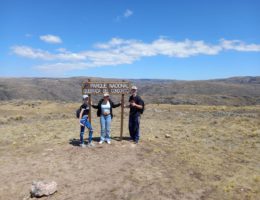
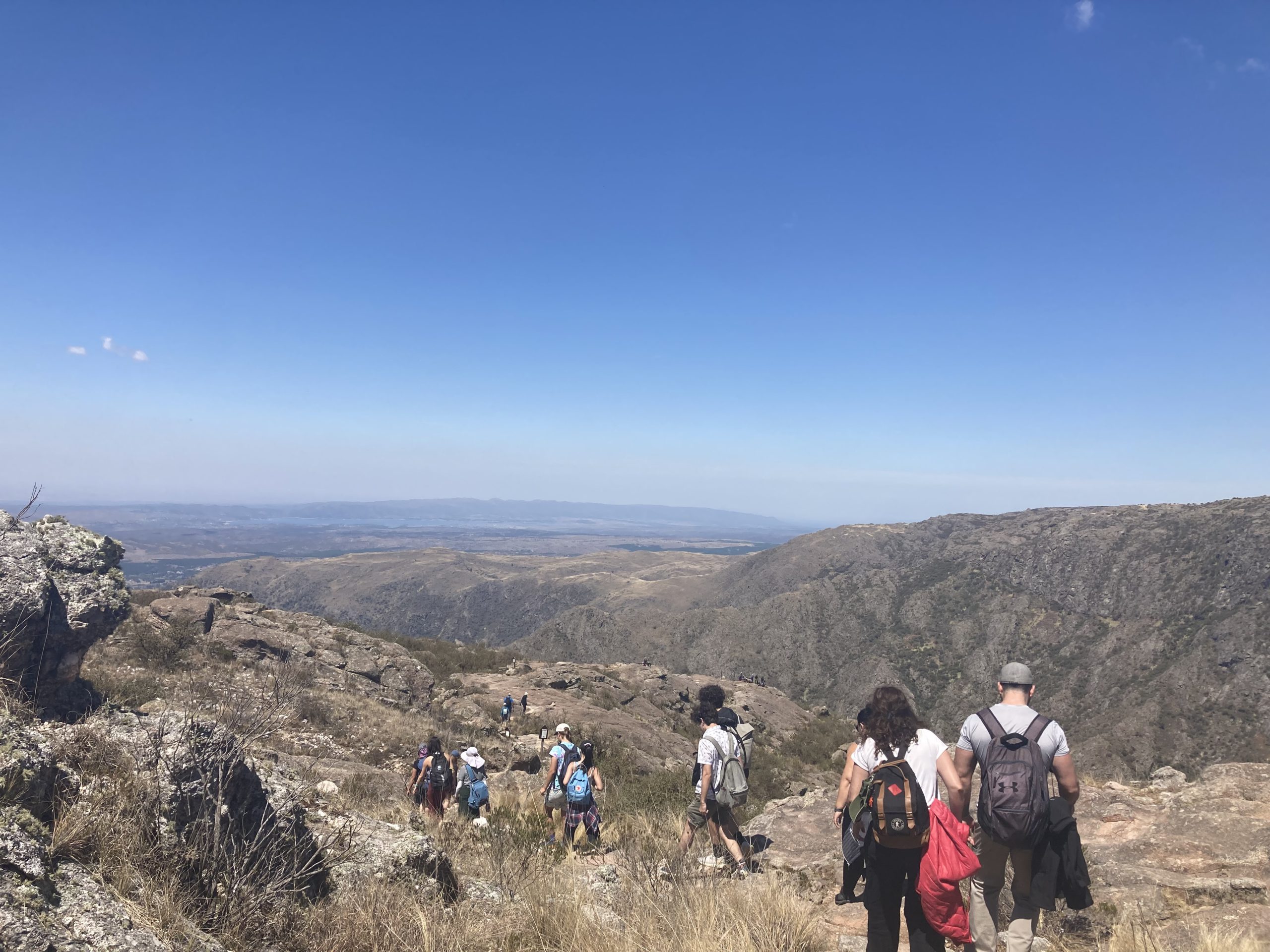
      • During your time as a foreign exchange student, you will have lots of new opportunities and meet lots of new people. As I mentioned earlier, I’ve done so many things I never would have even imagined doing in the U.S. I try to accept every invitation that comes my way- whether it be a rap battle in Rio Ceballos or a four-hour-long hike in Las Altas Cumbres. Taking risks and taking the initiative to make plans is an essential part of making valuable friendships during your time abroad. However, it’s important to keep in mind that not everyone has the best intentions, and your actions do carry consequences… even in another country. Take risks and enjoy yourself, but do so without endangering yourself or others.

    • Embrace the chill days.
      • I’ve spent a lot of time talking about all of the opportunities you’ll have during your program, and while that may be true, downtime and chill days are inevitable (and great!). It’s normal to feel antsy when you have nothing to do, especially with the constant reminders of how limited your time is in your destination country. Days where I have nothing to do have become some of my favorites. They allow me to catch up on school work, go for a walk by myself, or just sit and watch a movie. It’s important to realize that although studying abroad may be an adventure, it still has its ups and its downs.

    I still have quite a bit of time left on my program. Although I miss home, I know that it’ll still be there waiting for me when my time is up in Córdoba. I am excited to see where life takes me during the time I have left here, and even more excited to share those experiences with all the new people I’ve met during my time here.

    Thank you Max for sharing your experience, insights, and advice!  

    For more information about Greenheart Travel’s First Time Traveler Scholarship, click here.


  • A Special Prom Español

    A Special Prom Español

    We are often asked by High School students who are considering a semester or two abroad, “How hard is it to go to school far away from your friends? What will I miss back home? Will I be homesick? Will I make friends?”

    Vismaya attended High School Abroad in Spain and has shared a few stories with us about her time there. This one is about homesickness, proms, birthdays, and making good friends when you are far from home.

    The Distance from Home

    Nothing could ever equal the excitingness of spending a semester in Spain, and I certainly never felt as though this opportunity was detracting from any other. As I engulfed myself further into the Spanish world, it only made the distance grow larger with life back home. Every so often, as I checked to see what was happening back home, I would see pictures and Instagram stories that made me wish I were back in California (even if it was just for a second). My friend in Spain saw me looking at some Prom posts sometime in late March, and I remember a group of girls huddled around me to marvel at the grandeur of the dresses. They told me that they had all seen so many Proms in many American movies, but they had never experienced something like that (although they all really wanted to!).

    As the occasional pangs of homesickness hit me, I would tell my classmate Lucia. It so happened that in one of these conversations, she learnt my birthday was coming up in a month (it was my first birthday away from my parents!). And my friends’ Prom back home was the very week of my birthday! I’m not sure how things progressed so quickly, but the two were put together and soon enough, there was a group chat for “Prom Night/Cumple de Vis” (cumple is “birthday” in Spanish). The whole class was added to the group chat, and they kept me off it (as a surprise, of course). Lucia and Elena (two of my closest friends in Spain) took care of all the RSVPs and the guest list.

    A Special Prom Español

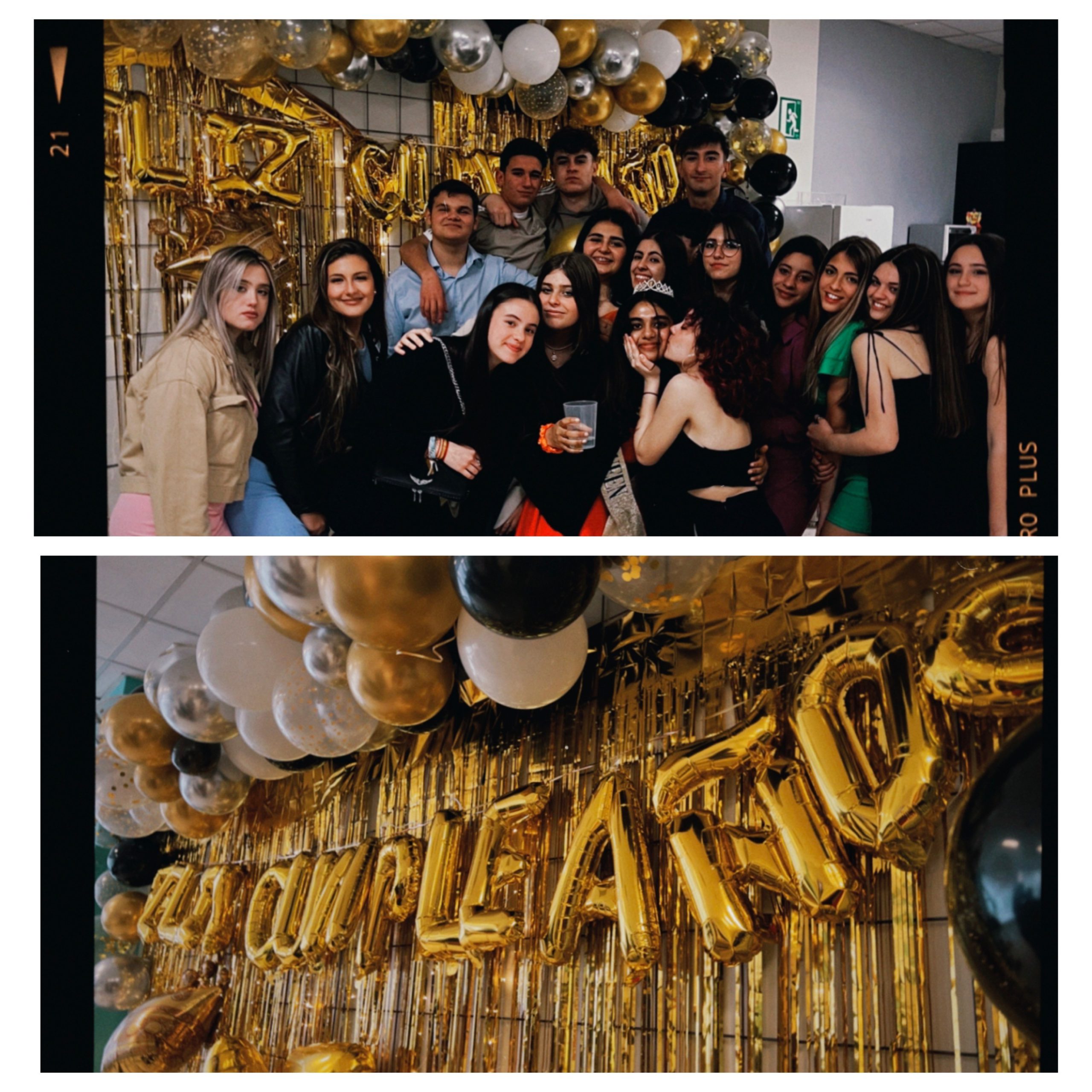
    We decided to make it a Prom Español. Everyone agreed the dress code would be formal, and the weeks leading up to the event, many of my girlfriends would send me pictures of dresses asking me if the attire was okay for such a party. The day of the party, a few of my friends and I gathered at the locale to blow up balloons and build a huge Prom balloon banner decked in gold, silver, and black balloons. There was also a huge cumpleaños sign with the number 17 on it (for my 17th birthday). One of my other friends and I took the bus to a local market and stocked up on all the food for the event!

    I was surprised by the turnout. We were unable to get a group picture of every single person who arrived, but there were many individual pictures. Here are some of the many pictures I took with some of the sweetest classmates I’ve ever had. They even secretly bought me some very cool firecracker candles. Everyone loudly sang me Cumpleaños Feliz as I cut the cake with some of the coolest firecracker candles I’ve ever seen. The sweetest part was the gift I received.

    Gifting a Memory

    I came to Spain wearing a necklace gifted to me before I left. My classmates here know how much I appreciate jewelry given with the intention of keeping associated with the person/people who gifted it to me. As friendship dynamics have shifted over time, I’ve found myself growing apart from most of my friends back home. Although there are those who have continued talking to me and we are maintaining our friendship, there have been a few fall-outs.

    When my Spanish classmates heard about this, they decided to gift me a necklace. This necklace is so special to me because it not only has my name engraved on one side, but it also has an engraving of the day I joined my class (1 Bachillerato C) which is written like the way they write the date here (February 4, 2022 is written as 4-2-2022). I remember Lucia telling me that now I have a special jewelry piece that serves as such a beautiful memory of my birthday and my time here, but also replaces the necklace I used to wear. In addition to the necklace, my classmates wrote me a really beautiful card, and the whole class signed it.

    Here is what the card said…as translated into English:

    To Vismaya from all your friends in Spain.

    We hope that you have liked your birthday in Spain. This is a memory you can take with you, of all of us, and you will always have us for anything you want/need. To us, our time with you has been precious, and we hope you take with you many special memories and people to remember. For us, this experience has been so unique, and you are such an unforgettable person for us who we can appreciate and from whom we can learn. We hope you remember us fondly and that we have made this period of your life beautiful. A memory of the class — we will never forget you.

    – 1° Bachillerato C

    Feeling Thankful

    I cannot believe how lucky I got when it came to being a foreign exchange student, and I cannot believe how quickly the weeks have flown by with these people. I think about how I have only 6-7 more weeks in the classroom with them, and then it will end. It wasn’t that long ago when my teacher Juan first introduced me and told the class to take care of me. And they couldn’t have done a better job. I am going to miss the family we have built so much.

    I am so thankful for all the memories. I entered my 17th birthday party in a dull mood because of the distance I had between me and my friends and family back home. The distance changed dynamics and I missed receiving messages from some people back home. But by the time I left this party, my heart was full. Thank you, thank you, thank you for this experience I’ll never forget.

    To my parents back home, thank you for letting me have the night of my dreams as a new 17 year old. And to my parents here in Spain, thank you for being cool when you crashed the party 🙂


    If you are interested in attending a High School semester somewhere abroad in January 2023…hurry, applications will be closing soon. Of course, there’s always full year programs starting in Fall 2023!

  • Learning a Language during High School Abroad – by Vismaya in Spain

    Learning a Language during High School Abroad – by Vismaya in Spain

    We are often asked by High School students who are considering a semester or two abroad, just how hard it is to go to school in a country where you are not a native speaker. “Will I understand anything? Will I be able to have conversations and make friends?” 

    Vismaya attended High School Abroad in Spain and had this to say about learning a language:

    Yes, I had some Spanish before Spain…but….

    Before I left for Spain, I had taken two years of Spanish in high school (5 semesters to be precise). I placed into Spanish 3 my freshman year of high school, and that class was probably the most challenging language class I had ever taken — until I went to Spain, that is! Back home, I could probably string together two to three sentences after many seconds of thought. Because my spanish classes at school were so grammar-focused, I was unable to speak fluently since I always had to stop and piece together the grammatical parts of the sentence in order to say something correctly.

    Regardless of my two years of Spanish, I left my first day of school in Spain feeling so incredibly lost. I remember feeling so distraught at home, and if my host family had not taken me on their nighttime supermarket adventures, I would have probably stayed home and cried.

    What helped me learn

    I began to practice speaking Spanish almost every day with my host dad during my second week in Spain (and I would help him with his English!). Every time he would correct me, I would find myself feeling a little embarrassed but it really helped me. I almost never repeated those mistakes ever again afterwards.

    It was very hard for me to keep up with school assignments at first, but I was really lucky to have teachers who would give me assignments specifically designed to improve my Spanish skills. Apart from practicing with my host dad in Spanish everyday, I also started to read this book recommended to me by my literature teacher called La Tesis de Nancy which was a book in Spanish about a North American girl who came to Spain as a foreign exchange student (it fit so perfectly!); I meticulously annotated this book, writing down all the words I didn’t know and translating them. I also became a huge fan of this Spanish show recommended to me by my host family called El Internado. Watching this show without subtitles was also something that really helped me pick up words because the characters in the show were teachers and students who spoke slower and more clearly.

    And one day, it clicked!

    I cannot identify the moment Spanish became easier for me — the moment it “clicked”. But I know it happened. If not one moment, there was a definitely a series of moments that gave me a newfound confidence in the language. That confidence came with a new sense of alacrity. Not only did I feel like I could be myself in Spanish, but I also discovered that there were parts of me in Spanish I could not express in English.

    One of the best feelings is to fully understand the meaning of a word in one language that does not have a raw translation into another language. It was on a call with a friend back home when I knew the exact word to describe his behavior in Spanish, but I failed to elucidate to him the significance of this word in English. Because it’s inexplicable. I still find myself unable to explain pesado to non-Spanish speakers.

    People told me when I first arrived that I came with a level of Spanish much higher than most other foreigners. This was quite the encouragement, although so many days I would come home just wanting to fly back to California. While this may have been true, my level was still too low to survive in Extremadura (the fast and thick accent of this Andalucía region); one can hardly understand any of the Extremeño Spanish at first.

    My level of Spanish comprehension shot up rapidly my first four weeks in Spain. Another helpful tool was my journal. Every day in class, I would jot down every single phrase or word I did not know. My classmates would even come up to me, observe what I was doing, and give me more phrases. My daily language exchange sessions with Roberto were also very useful as he would force me to speak in Spanish using different tenses.

    My confidence grew

    The first big change I noticed was my reduced time in conjugating verbs; in fact, I did not need to think anymore to conjugate verbs in Spanish.

    The second and most notable change was my confidence. I no longer relied translators to come with me when I had to speak to people. I found myself willing to interact with more people because I could finally understand them. As I spoke to more people, I received the encouragement I needed when they understood me and complimented my language skills. I no longer began my conversations with ¿hablas inglés? (Do you speak English?).

    I started a “Where Am I From?” game. One Thursday after art class, I decided to take a taxi back home. It was around 9 p.m. and although I would normally walk home, I needed to get back home quickly to work on a chemistry project. The taxi driver was a cheerful middle-aged man from Badajoz. He picked me up, and we had about four minutes of small talk before I asked him: ¿De dónde crees que soy? (Where do you think I’m from?). He told me that my accent was more articulate and guessed Madrid. When I told him I was from the United States, I swear he turned around at every proceeding stop light to look at my face. His reaction was one of those that gave me more confidence: ¡no me digas, hablas español estupendamente! (“No way! You speak Spanish stupendously!”).

    As my ability to express myself in Spanish grew, those around me saw my personality transition from a more taciturn version of myself to one of outright enthusiasm.

    Lessons Learned

    Much like many others, I believed that simply existing in a foreign country would teach me the country’s language. If I had stuck to that “maxim”, I certainly would not have the level of Spanish I have now. The hours I have spent reading texts, re-reading texts, watching shows, asking questions, and journaling in Spanish have certainly contributed to the knowledge I gained.

    I obviously still do not speak like a native. There are instances where I must think in English and translate into Spanish before I speak or write. I’ve learnt that language is a part of my identity, and that now, Spanish successfully embeds itself in me forever. I’ve learnt through this journey that when you speak with people in a language they can understand, they speak to you from the mind; when you speak to them in their native tongue, they speak to you from the heart. And the things they say from their hearts offer the best lessons, experiences, and memories which stay with you forever.

    Thanks Vismaya for another insightful piece on your High School Abroad experience! 

    If you are a traveler abroad for High School and want to share your day-to-day challenges and wins, please send us a note!  

    To learn more about the program that Vismaya took, visit our website.


  • The First Day in High School Abroad – by Vismaya in Spain

    The First Day in High School Abroad – by Vismaya in Spain

    Greenheart Travel loves to hear from our travelers. Recently, Vismaya returned from a High School Abroad semester in Spain and volunteered to share her experiences with us.

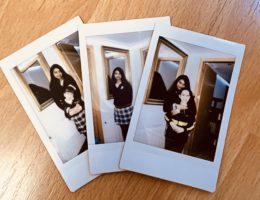
    Vismaya, who lives in California, decided to study a semester in Spain because she wanted to learn more Spanish and immerse herself in the culture. She arrived in Badajoz, met her host family, and started school the very next day—still jet lagged. Her little host sisters, Catalina and Carmen, were very excited to welcome their big sister into town, and they captured a couple of polaroid shots right before school started. Through the day, Vismaya recorded her observations and feelings about being the new exchange student in her local high school–the culture shock, the nerves, the tiredness, the language challenges, and the excitement and newness of it all. 

    Starting My First Day of High School in Badajoz

    Yesterday was my first day of school here in Spain, and the experience as a whole was both nerve-wrecking and wholesome all at once. My day started rather early, as I could barely sleep due to the jet lag — I’m living 9 hours away from home! One of my kind neighbors showed up exactly at 8 a.m. to walk me to school. School days in Spain are typically shorter; for the Bachillerato years (11th and 12th grade in the US), school starts at 8:20 a.m. and goes till 2:20 p.m. (only 6 hours).

    At school, I met the director, and he took me to my class to meet my tutor. A tutor in Spain is a class counselor who helps handle student problems, gives advice, and fosters class bonding. My tutor happened to be my English teacher, Juan, who also proved to be a very helpful translator for me around the school. After a brief campus tour, he took me to class to meet my classmates.

    First Impressions

    Oddly enough, I didn’t feel shy entering the classroom, but I certainly was intimidated. My English teacher told me to introduce myself to the class, and fortunately, I was able to do so in English because it was their English period. I remember I didn’t say much but the class applauded loudly when I finished; they were all fascinated by my American accent. The teacher then asked each of them to introduce themselves to me in very slow Spanish; he stressed the severity of the accent in Extremadura (people speak very fast and often swallow the letters at the end of the word). The students went around the classroom one-by-one introducing themselves, although we only got halfway through the class by the time the bell rang. Class ended with Juan telling the class to take care of me, to which the class enthusiastically responded. I remember being pleasantly surprised by the bond of the classmates in the Spanish classroom and feeling safe when I heard Juan say, “Teneis que cuidarla, ¿vale?” (“You have to take care of her, okay?”). As soon as English ended, the class crowded around my desk trying to ask me questions and introduce themselves. Most of them simply observed me, as the language barrier was rather evident. They managed to communicate with me in simple English and even asked for my phone number to add me to a group chat for things related to school.

    In the Spanish bachillerato program, students have three classes in the morning following by a recreo. The recreo is like the recess period of school. Bachillerato students are allowed to venture outside campus and my friends decided to take me out to a candy store. They asked me questions during the break, like the music I listened to, and we discovered that we had a lot in common–listening to many of the same artists. Walking back to school took more time than expected, as so many people tried to speak to me in English. We barely made it back by the time the bell rang.

    uniforms in spain high school abroad
    My friends were impressed by the iPhone camera that I had because most students here have Android phones. This is the only picture they took during the school day (and it was during the recreo) because taking photos in schools in prohibited in Spain by law. 

    Getting Through Day One

    Philosophy followed el recreo and that was when I experienced my first wave of culture shock. Until philosophy, everyone tried to speak to me slowly and say things in English. I remember feeling so lost as they reviewed the assignments. They read so fast! I vividly remember a moment when one of my classmates read out her correct answers and the whole class applauded her. Being caught up in translating the last of her words in my head (her rate of speech was too fast for me), I forgot to applaud and the teacher gestured me to clap anyway to show my support; I remember some of my classmates laughing and sympathizing because they saw I did not understand anything but I applauded anyway.

    The initial excitement of the day had passed and I was feeling more confused and jet lagged for my last two classes. The biology teacher introduced himself, telling me that he was just as embarrassed to speak in English as I was to speak in Spanish. Biology was a group project and a couple of my classmates invited me into their group. The final class was Spanish literature, and again, I found myself feeling lost. The class was reading Don Quijote in its original form and they were learning the historical context and studying the complexity of the characters. I was extremely sleepy, but the next thing I knew, the bell rang.

    I left school that first day not knowing how to feel. People had been so friendly yet, I felt so lost in my new world. The intensity of subjects combined with the heavy accent in Extremadura made comprehension more difficult. I was nervous to go back to class! But I knew this stage would pass—and it did! Everyone was so much more helpful than I could have ever imagined, and I will always be grateful.

    High School Abroad Spain
    Vismaya’s first day at a High School in Spain.


    Thank you Vismaya for sharing your story!  You can find Vismaya’s blog here. Check back soon for another of her stories about her time in Spain.

    Learn more about this Greenheart Travel High School Abroad in Spain program.

    Greenheart Travel has many High School Abroad programs and Gap Year opportunities all over the world.  Follow the links to inquire about your favorites!