Author: Samuel Tew

  • Understanding Culture Shock and How to Get Through It

    Understanding Culture Shock and How to Get Through It

    It’s hard to avoid setting expectations for yourself when you’re planning to live abroad. You’ve probably found yourself daydreaming about what your life is going to be like, who you’ll meet, and how free you’ll feel. But no matter how excited you are or how much you want to travel, culture shock will inevitably hit, and it may impact you in ways you never expected.

    Culture shock is a “sense of confusion and uncertainty sometimes with feelings of anxiety that affects people exposed to a foreign culture or environment without adequate preparation.”

    Now, you might be thinking, “That’s not me! I did everything I could to prepare. I read books, talked to people, and researched everything. I’m going to be fine.”  That may be true, but nothing really compares to physically being in a new country. Isn’t that the point of traveling?

    Most people don’t anticipate culture shock, and yet it’s something every traveler goes through when moving to a new country. That’s because culture shock rarely feels like you would expect, which is why many people have a hard time identifying it within themselves. 

    It’s important to be able to recognize the signs of culture shock in order to take the necessary steps to get through it.  

    You Might Be Experiencing Culture Shock If You: 

    • Are easily irritated by people around you  
    • Are defensive regarding your own culture and how you were raised 
    • Have lost interest in interacting with others
    • Experience extreme homesickness 
    • Withdrawal from social activities 
    • Have unexplained physical pain 
    • Engage in self-destructive behavior 
    • Have lost all motivation 

    Here’s what you can do:

    Understand That It Will Pass 

    Although you might feel completely overwhelmed, remind yourself that these feelings are temporary and very common. To put it into perspective, one week is a relatively short amount of time if your program lasts six months.

    Don’t Romanticize Home 

    It’s normal to miss home, but if you start thinking that everything in your culture is superior, this can send you into a terrible headspace really fast.

    Take some time to remember why you wanted to travel in the first place. You made this decision for a reason, so you owe it to yourself to follow through.  

    Take Some Time for Yourself, But Not Too Much 

    For some people, a great way of dealing with culture shock is through reflection and downtime. For others, culture shock can worsen during isolation. Pick a relaxing activity like a walk to get coffee or journaling in a park, then make a point to assess where you’re at mentally.

    Sleeping in your room or scrolling through social media might be the only thing you want to do, but chances are that it will only make you feel worse.  

    Make a Schedule and Follow Through 

    Give yourself a sense of control by planning out your week. You may already have a schedule set for you, but find where you have free time and figure out how you’re going to spend it. This will keep you focused on the short-term future, and not the following months that might seem daunting. 
    Cut Ties Temporarily 

    Missing your family and friends is normal, but if you’re finding that you feel worse after talking to them, we suggest cutting back on the communication to a simple check-in once in a while until things get better.

    Cutting ties also means putting a pause on social media. People joke about FOMO, but seeing pictures of your friends having fun without you can make you feel even lonelier if you’re already in a bad place. If you want to post your own images, that’s fine, but keeps your eyes on your profile only.  

    Communicate with the People Around You

    We cannot stress this enough but talk to your host family or local staff if something is wrong.

    A common symptom of culture shock is becoming closed off and quiet, so when something inevitably gets on your nerves, you bottle it up instead of expressing how you feel. This can lead to messy confrontations with your those around you where it’s the first time they are hearing your concerns. We urge you to push yourself to communicate effectively, even if it’s difficult.

    Have tips for coping with culture shock? Leave them in the comments!

  • What to Do During Your First Few Days in a New City

    What to Do During Your First Few Days in a New City

    Congrats! You’ve made the amazing decision to travel to a new city. Now where to start? Sometimes it can feel overwhelming to balance visiting “must-see” sites while also making your time there seem personal and intentional.

    The pressure to see everything is real, but it can make your days tiring and hectic. We’ll give some of our favorite travel tips for those first few days in a new place.

    Do Some Research

    Make sure to look up what there is to do before you go! Check out blogs about top places to see, where to eat, best museums, and funkiest street art. Mark your favorites and save a map with a dot at each location (or create your own map on Google!), so you can visualize where you want to go. This will be extremely helpful once you get there so you can plan activities according to these locations if you don’t want to be taxing or bussing around all day.

    It’s also a good idea to look into the details of each place you’ve marked. Are they closed on a certain day? Do you need tickets beforehand? Do you need to make a reservation? This will also help when planning your days out and making the most of your time during the first few days.

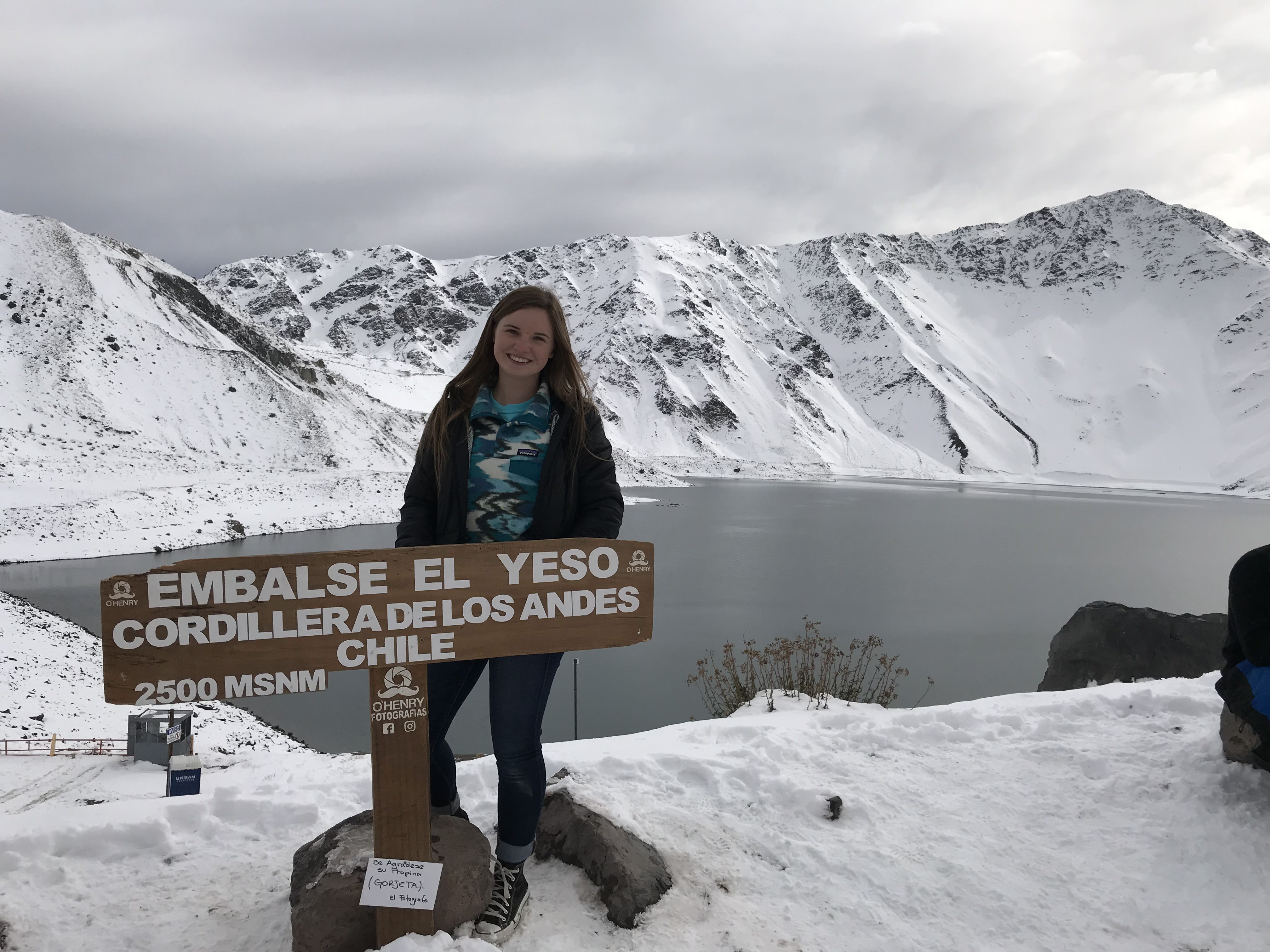
    Fallon Russell in Chile

    Find Your Interests

    People visit cities for a large variety of reasons. Have you always been interested in the history? Are you a foodie ready to hit the street carts? Craving a beautiful view to snap an Instagram of? Determined to just hit every spot on the map? What’s your calling? Figuring out what you’re most interested in can help you make the best of your time.

    After you’ve done your research in Step 1 and gotten the skinny on this new amazing place, it’s time to narrow down your list. What jumps out at you? What’s something that you’d be fine skipping? Give yourself an attainable goal so you aren’t feeling rushed or stressed and focus on the thing you love most – this may not necessarily mean the top tourist attractions! It’s always okay to skip a “must-see” if something else on your list is really speaking to you. Make this trip your own.

    Plan Some Downtime

    We’ve all made the mistake of scheduling events back-to-back only to find yourself having an amazing time at one place with no time to enjoy it! Give yourself some time each day to wander. This is the best part of being in any new city – the accidental discoveries!

    If you pass a street or shop that looks intriguing, you’ll be happy you gave yourself some time to pop in or wander around. Follow your curiosity. Some of the best places are happened upon while meandering down a funky street or talking to a friendly local. Having a schedule is a great way to make the best use of your time, but make sure there is some unplanned exploration penciled in!

    Travelers at the Cicada Market in Thailand

    Ask Around

    A great traveler game to play while in a new place is “Follow the Recommendations.” If you find yourself finishing up at a museum and looking for a place to eat, ask someone! This can go a long way. Are you in an area you don’t know much about? Stop someone walking by to see if they have recommendations! I’ve found amazing little tucked-away restaurants and beautiful parks this way. Asking locals for help can be so much more rewarding than hitting up Google. You’ll stumble upon lesser known spots that can make your trip personal and special.

    Revisit Your Favorites

    If you have time, it’s always nice to give that favorite reading spot or delicious pastry shop one more go. A second visit can help make that spot your own, without putting pressure on yourself to try to squeeze in every amazing thing. You’ll feel less like a visitor during your second time around, and the city will begin to feel familiar in an amazingly homey way.

    Have your own suggestions on what to do in a new city? Leave your tips in the comments!

  • 5 Alternatives to Studying Abroad if You Didn’t in College

    5 Alternatives to Studying Abroad if You Didn’t in College

    You often hear about how studying abroad in college changed someone’s life, or how it was their favorite experience during their four years. Sometimes it seems like everyone around you was able to study in another country, but in reality, only 10% of students in the United States go study abroad during their time in university. It can be cost prohibitive and difficult to find time in your class schedule to take a full semester away from required courses, and it may feel like you’ve missed out on a unique experience. However, the opportunity to live overseas does not end after graduation! There are a number of ways to have just as an immersive experience in a new country – if not more! – as a study abroad program. Whether you want to live with a local family, find a new town to call home, or brush up on your language skills, consider having your “abroad” experience outside the cost and time constraints of a university!

    Become a Digital Nomad

    Working remote gives people a new kind flexibility with where and when they work – but have you ever considered how flexible you can be? Becoming a digital nomad allows you to continue your remote job while moving to a new country! For most programs, you are provided a coworking space with other digital nomads, WiFi, and other office necessities. If you’ve ever wanted to take your laptop across the world with you, but weren’t sure where to start, consider a digital nomad program.

    Maddie Erikson being welcomed by her host family while teaching English in a homestay in Italy

    Live in a Homestay

    Is your desire to travel driven by your curiosity of local cultural and language? Living with local host family is a great way to call a new town your home and practice a new language! Our Teach in a Homestay program allows you to live in a different country while tutoring your host family in English for a few hours a day. These opportunities really allow you to make meaningful connections and share in local everyday life by getting to know your family through casual, conversational English lessons and practicing the local language.

    Get TEFL Certified Abroad

    If the “study” aspect of “study abroad” really appealed to you, there are still ways to learn new skills in a classroom setting while living abroad. Many TEFL (Teaching English as a Foreign Language) certification courses are offered abroad and may cover accommodation during the duration of the class. This certification is a requirement for most teaching positions abroad and is a great way to open the door to endless paid work abroad! Depending on the country you take the course, there may be positions available as soon as you complete your certification.

    Teach English Abroad

    Have you ever thought about living abroad for an extended amount of time? Or possibly making money while experiencing a new country? Teaching English abroad is a great way to accomplish both of these! There are countless positions around the world looking for English speakers to teach in local schools. Most of the jobs do not require a degree in education and are open to degree holders of any subject. That makes it easy for many to people to immerse themselves in a new culture while securing a full-time job!

    Work Abroad

    If you are looking for a more independent experience abroad and teaching doesn’t appeal to you, there are always seasonal jobs and internships available in different countries! These opportunities typically provide you the flexibility to travel and experience your new surroundings while making a sustainable salary. Many of the positions open are fun, entry-level such as working in local bars, hostels, or hotels where you’ll meet other travelers!

  • 7 Ways To Make Sure You’re Traveling Ethically

    7 Ways To Make Sure You’re Traveling Ethically

    1. Avoid over-touristed areas

    While tourism can be a huge economic boom to a community, if it grows out of control it can cause serious harm. Overtourism can damage the environment and the cultural and historical heritage of a site. Places like Venice, Machu Picchu, Mount Everest and the Great Pyramids are currently suffering from the consequences of excessive and irresponsible tourism.

    Instead of contributing to these problems, go off the beaten path! There are other mountains to climb and other beautiful European cities to explore. Your impact will be less detrimental and your photos won’t be full of frustrated tourists.

    2. Be extra cautious about tours where you interact with animals or kids

    While there are ethical ways to interact with animals as a traveler, it’s important to remember that many of the experiences that will be offered to you as a tourist are extremely harmful to the animal or to their environment. Any time you’re considering an animal experience, make sure you do your research on the practice itself as well as on the specific provider.

    As a general rule of thumb, avoid any experiences that allow tourists to interact with animals in ways humans normally don’t interact with them. Elephants are not domesticated animals, so they should never be ridden. Tigers are dangerous predators; if you’re allowed to pet them, it means they’ve probably been drugged. A mother lion would never let you hold her cubs; she may have been cruelly separated from them while they’re young enough to be cute and docile for tourists.

    It’s also important to be extra-aware of companies offering volunteer opportunities with kids, as these might be exploitative. Orphanage volunteerism, for example, has recently come under fire for being more about making money from volunteer fees than for helping children. Read reviews of the specific organization you’re working with, and gain an understanding of the industry in general in your destination country. Make sure you’re doing good, not harm.

    3. Don’t take photos of people without permission

    Just because you’re abroad doesn’t mean you should forget your manners! Don’t take pictures of people without asking their permission, and don’t be offended if they say no.

    4. Support local businesses

    Yes, Starbucks is everywhere, and it’s familiar and easy. But buying a grande macchiato in Barcelona is just sending your money right back to the US (plus it’s way less fun than a proper Spanish cafe). Be a good guest: spend your money on locally-owned restaurants, shops, and hotels. You’ll be making a positive impact and having a much more interesting experience.

    Whenever possible, also use tour providers that are run by and employ locals. These organizations are aware of local issues, cultural norms, and sensitivities, so you’re much more likely to be participating in an ethical tour that the community is comfortable with, and your money will be reinvested in your host community. You’ll also learn a lot more about the place you’re visiting!

    Greenheart Travel works with international partners all around the world, who employ locals, instead of sending American staff to each program location. We feel it’s important to invest in the country and the people who live there, and we also think our programs have even better value and experiences when they are supported and run by local people.

    5. Cut back on your plastic use

    Single-use plastics are still extremely prevalent in much of the world. Don’t contribute to the problem! Bring a reusable grocery bag and water bottle, and learn how to say “no plastic please” in the local language. Better yet, make sure all of your travel essentials are eco-friendly.

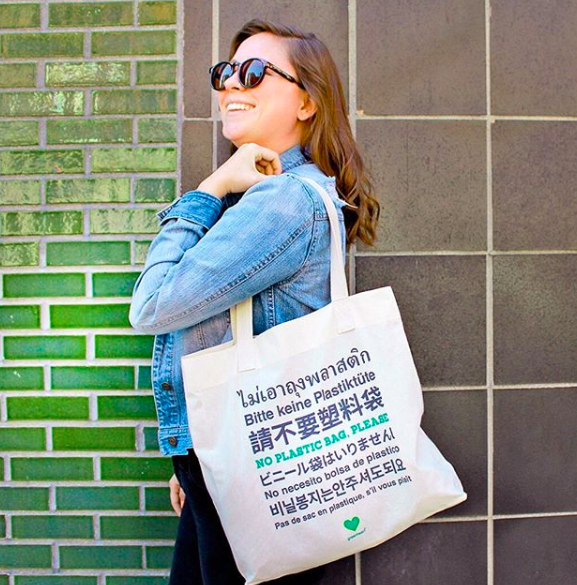
    Greenheart Travelers get this awesome tote to take with them abroad that says “no plastic bag please” in 8 languages!

    6. Be respectful of historical and cultural sites

    Anywhere you go in the world, you’re sure to see other backpackers (and maybe some locals as well) climbing on or walking around on top of ancient temples, monuments, and other important heritage sites. Remember that every time someone does this, a tiny piece of that site is irrevocably eroded away. Just because it’s allowed doesn’t mean you should do it! Help preserve these landmarks for future generations by staying off of them.

    7. Read up on local issues before booking accommodation

    Vacation rentals like Airbnb are increasingly being called into question. In some cities, these rentals are driving up housing prices and pushing locals out of desirable neighborhoods. Some cities have banned Airbnb, so you might actually be breaking the law by staying in one. Make sure you research before you book.

    Do you have any other tips to support ethical travel? Drop them in the comments!

  • Next Step After Teen Summer Language Camp: High School Abroad

    Next Step After Teen Summer Language Camp: High School Abroad

    So you just finished your Teen Summer Language Camp. You’ve embraced life with a host family, sampled your new favorite foods, accelerated your language skills and met other teens from all over the world. But the summer is coming to a close, and you wish you could do it all over again, or at least stay abroad a little longer. 

    And you can! By being an exchange student on a High School Abroad program

    Now, let’s not get confused. Teen Summer Language Camp is NOT just a short version of High School Abroad. The two programs are totally different but go hand in hand. 

    Here are some of the similarities and differences broken down:


    High School Abroad 

    Teen Summer Language Camp 

    School   Local high school  Language school  
    Accommodation         Host family  Host family or residence hall 
    Length Summer (1-2 months), trimester, semester, or academic year  2-6 weeks  
    When  Summer, Fall, Spring  Summer  

    Both Teen Summer Language Camp and High School abroad offer full language and cultural immersion, but the lengths and experiences are vastly different.  

    After successfully completing a Teen Summer Language Camp, you’re ready for the new experiences, joys and challenges that come with studying abroad in a local high school for a longer period.  

    Greenheart Traveler Alexander Obenchain always knew he wanted to study abroad in high school in Japan. In Summer 2018, a Teen Summer Language Camp in Tokyo was the first step to help him prepare for his academic year high school study abroad in 2019. Easing into the language and culture of Japan in Summer 2018 allowed Alexander to hit the ground running when he landed in Japan for his high school program.  

    “Coming for a smaller amount of time helped me prepare for the difference in atmosphere between here and the states,” he explains. “It was certainly a good thing to have studied the language a little bit more in-depth beforehand. I can also compare my skills from now to then.”  

    And navigating the Japanese train system? He figured that out a long time ago!  

    But you don’t have to return to the same country you went to for your Language Camp. Maybe you went to Salamanca, Spain in the summer, and now that you know you can handle being far from home, want to explore Sweden!

    So is studying abroad in a local high school right for you? With improved language skills, you’ll be ready to learn subjects like math, science, and drama in another language. After living with a host family for a few weeks, you can anticipate how much you can learn about a country and its culture through observing (and living) day-to-day life abroad. You’ve proven to your parents that you’re independent, capable and problem-solving.  

    You’ve gotten a taste, now it’s time to thrive.  

  • 7 Things No One Tells You About Teaching Abroad

    7 Things No One Tells You About Teaching Abroad

    Teaching abroad can be one of the best decisions you can make, and you learn so much important stuff about yourself and about the world. But! It’s important to be realistic about what your life will be like as a teacher in another country. Make sure you’re properly prepared for the experience and have the capacity to make a positive impact wherever you end up! Here are some things that no one tells you about teaching English abroad.

    You’ll spend most of your time teaching

    This one seems like a, “well duh!” but honestly, in all the daydreaming that happens about what life abroad will be like, people forget. Of course, you will have amazing experiences, meet new friends, and travel as much as you can, but the reality is that the vast majority of your time abroad will be standing in front of a classroom. That, or sitting at your desk preparing for your next classes. Or doing something relaxing after school because teaching can take it out of you some days. I don’t mean this in a negative way at all, but generally the 8 hours/day of being at school doesn’t make it into everyone’s daydreaming. Although it doesn’t sound great on paper, there are so many positives to spending all those hours at schools. You’ll make friends with your local co-teachers, you’ll actually get to know your students and you’ll learn to be a much more patient and organized person.

    After a while, every day will be just any other day

    Despite all the wAnDerLuSt you’ll see on Instagram in the destination you plan to teach, that’s not what the average day looks like.  Once you get settled into your new apartment and job, you’ll start to establish a routine that you’ll follow in the same way you follow your routine at home now. You’ll pop in your headphones in the morning and commute to work without thinking about it, you’ll teach the same classes at the same times, you’ll have your favorite dinner spots to stop at after school, and you’ll binge the same shows on Netflix you watch every night before bed. Some days you might even be a little *GASP* bored. But that’s okay! Life can’t be exciting at all times – that would be exhausting.

    It’ll hit you every once in a while, especially at first, and you’ll be in awe for a split second thinking, “Whoa! This is my life! It’s, like, my life at home except I’m in Thailand/Italy/Colombia. Hm weird. Okay time for class.” But honestly, it’s one of the best things about living abroad. In those moments, you realize that you have the grit and tenacity to be successful, even in a new place, even with a new job and likely with a previously unknown language.

    Good intentions don’t automatically mean good results

    Despite your best intentions, you can still negatively affect your host community, colleagues and or students if you’re not conscious of the role you play in their lives. Oftentimes within the teaching abroad world, a lot of people go into the experience incredibly naïve about the job. It’s such a common path for people to take, after college or as a career break, that it’s easy to fall into thinking, “Teaching can’t be that hard if everyone is doing it!” Teaching may come easy to some people, but for most, it takes time and practice to become a good teacher and if you go into a job unprepared, that’s a disservice to the students and the local teachers who work with you.

    Get quality training for the job you’ll be doing, educate yourself on the culture as much as possible, and give yourself the room to adjust to your new environment (i.e. don’t travel every weekend). Culture shock is real, and you need more downtime in the beginning while you’re adjusting to your new surroundings. You don’t want to be that teacher who comes to class every day mentally/physically exhausted and cranky.

    Understand that it’s totally fine to have personal reasons for wanting to move abroad, but you need to keep your host community in mind too and how you can best serve them. If that seems like too big of a responsibility, reconsider going on an extended holiday instead and circle back to teaching abroad at a future time.

    Your own English will get worse

    A common problem that many English-speaking teachers don’t realize before they start teaching, is that they talk very quickly. For teachers working with young or beginner-level students, slowing waayyyyy down is necessary to increase student’s comprehension of your lessons.  You’ll also discover the survival tactic of matching the level of English of the person you’re talking to, adding in as many words in the local language as you can and using lots of miming and pointing. It’s a tiring way to communicate, but it usually makes for some laughs and it’s a great way to learn new vocabulary! After a while, that’s just how you’ll talk, all the time – slower and shorter sentences. You and your foreigner friends will also start to speak in an English-hybrid language, sticking in random local words to everyday conversations, which further adds to your new way of communicating. It definitely becomes a funny habit to break when you return to your home country!


    Your students are likely learning in a very different environment than you did, and you need to learn about them

    This varies from country to country, and even from school to school. In most Western schools, falling asleep in class is a generally not allowed and if a teacher catches you taking a snooze, there’s usually some consequence. Although kids will be kids no matter where you are in the world, there may be a legitimate reason a student is sleeping in your class. In places like Thailand, your students may be getting up very early in the morning to help with the family business, whether that’s a restaurant, farm or store, and may have worked late the night before as well. In places like Korea, it’s not uncommon for students to attend public school all day, private school at night, with some private tutoring in between and homework for all three at the end. Sometimes, the foreigner’s English class is the time to get some rest, and that shouldn’t be punished. When you start teaching, make an effort to learn about your students. You can do this inside and outside the classroom: create lessons on interests and hobbies, make yourself available in between classes, or join extracurricular activities.

    Teaching may not be the best fit for you, but that’s totally okay!

    Teaching is not an easy job and it’s not for everyone. Some people thrive as teachers and spend years abroad doing it; some even return home to pursue a graduate degree in education and change the whole course of their career. However, others find that the role as a teacher doesn’t play to their strengths and they don’t enjoy the job as much as they had anticipated. If you find yourself halfway into your contract and not loving the profession, don’t beat yourself up over it. The best thing you can do is commit yourself to your students and finish your contract, be the best teacher you can be for that time and move on to another field when you’re finished. Anyone who has taught abroad has met at least one teacher who doesn’t necessarily like teaching but wants to stay abroad, so they continue teaching as a means to an end, AKA a paycheck and a visa.  They usually aren’t super committed to their jobs or improving themselves to be a better teacher, and their students are the ones who are affected the most.

    It’s not up to you to make changes in how things are done

    As a foreigner in a different country, you’re going to learn quickly that most things are done very differently than you’re used to, whether that’s how people line up to get on the train, how an office is organized, how to deal with conflict or how you’re supposed to manage your classrooms.  At some point, you may find yourself thinking, “Wow, this would be way more efficient if we did x,y, or z instead.” Whether or not your solution is right, it’s not up to you to make any changes, especially if you’re only there for a short time. Think about if your job hired one new employee from another country who came in hot trying to correct the way you and your coworkers had done things for years? You probably wouldn’t like them too much.

    There’s a variety of reasons to go with the flow in this matter, but there are two main ones. Cultural nuances you may not yet recognize are at play, and a foreigner stepping on those nuances may offend some of your coworkers. The other reason is that you’re likely going through culture shock, which means you’re hyper aware of everything that is different, and you may not realize that you’re just reaching for something to control. This always serves as a lesson in patience and cooperation as you’ll learn to adapt – a very useful skill that will follow you after you leave.

  • High School in Japan Live Q&A Podcast

    High School in Japan Live Q&A Podcast

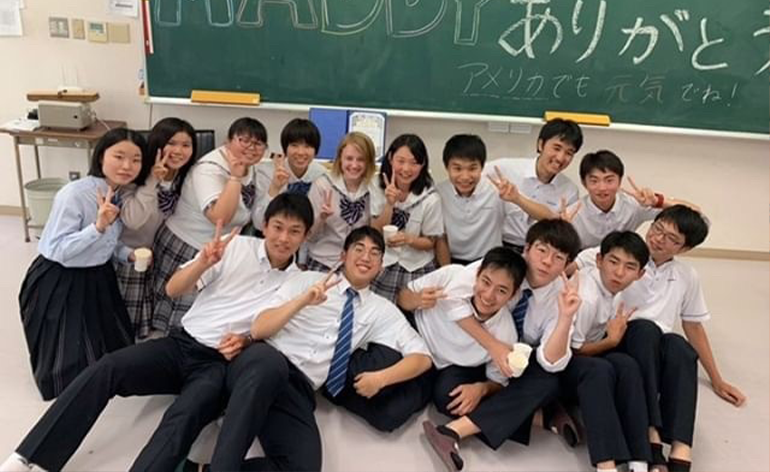
    Curious to know what studying abroad in Japan is like as a high schooler? Click to listen to the first episode of the Greenheart Travel Podcast! This recording was taken from a live Q&A  moderated by Allison Yates, Associate Director of High School and Short Term Programs. Our guests include High School Abroad in Japan alum, Maddy, and future exchange student, Jasmine.

    Read an excerpt from the recording below:

    Jasmine: One of my questions for Maddy is, did you have a phone while you were in Japan. If so, did you have a phone plan for while you were in Japan so you could contact your host family while you were in Japan?

    Maddy: Most phones come locked in America, but I had had an iPhone 6 for 3 years, which meant my phone was no longer locked so I could buy a sim card and buy a plan in Japan. Or what I did was I found a place, If I can find where I bought it they sold plans that were specific for people who were going to study or teacher. Especially if you were a student you got a discount. So, I think it was only 25 a month and you got unlimited data. I was like 7GB of 4G. I never used 7 GB and I was completely fine. And then in Japan, they use Line and lot which is a texting app.

    I had texting and phone just for emergencies. I could receive a phone call or a text for free, but if I sent a text or started a phone call I would have to pay.

    Jasmine: How much were you able to contact your family when you were in Japan? How many times in a week or a month?

    Maddy: So I’m not really the type that needs to contact their family. I don’t think I was homesick at all, which is kind of terrible. I had a group chat online with my family, so we would text. Money, I would talk about, or something specific. I have a twin brother, so we would text insults to each other. And then you know on my birthday and stuff, I was able to call. I don’t think I ever called unless I had a specific purpose like I needed to talk about money or it was Christmas, or around my birthday. I think Thanksgiving I called.

    Jasmine: So on like major holidays you were able to contact them.

    Maddy: Yeah, so for me, on the East Coast, there is a 13 hour time difference. So when it’s night here it’s morning there and vice versa. So you have to consider that difference, but it’s not hard to call. I mean you can like wake up Sunday morning and like call your family but it will be Saturday night there.

    Allison: What recommendations would you have for her to like right away feel comfortable wherever she’s at?

    Maddy: For me, food was kind of an issue when I first got there. Of course, I was actually sick so I was actively vomiting like all the time when I first got there. So that was kind of terrible. If you’re just okay with eating literally anything it’s easier to get used to. If you use chopsticks it’s easier to get used to.

    And then, I guess with your host family, it really depends on what your host family is like. And I think it’s like actually like how comfortable you feel immediately depends on your host family. If they’re treating you special, like,  it might be harder to adjust. But if they are treating you like a member of their family like taking you under. My family picked me up, brought me over, and then immediately sent me up to my room to get my stuff together and my host sister came with me. Then they immediately started watching TV and through dinner, they watch TV too. They encouraged me to sit on the couch and stuff. They weren’t making me take the first bath or anything.

    Maybe even ask your host family if you see them treating you special, you know, ask them maybe not to.

    Allison: That’s a really interesting thing you bring up. Because I think sometimes people are like, ‘well I’m just here and it should be a big deal that I’m here.’ I mean I had that perception when I went abroad, I remember. But it’s a really good point you bring up that it’s actually better for you if you’re just like one of the other members of the family.

    Jasmine: How much money did you spend while you were in Japan per month and did you have a credit card or did you just use cash? What type of system did you have?

    Maddy: So I had a hard time keeping track of how much money I spent. I probably spent between like $150 and 300. Now granted, my host family was very nice and when we went out to eat they’d pay for me. So for some reasons I spent a bit less. And then if I ever went on trips you have to cover hotel costs and food costs so I would pay extra money for that. But in general, I probably spent $200.

    I’d actually advise against buying too much stuff while you’re there. I ended up buying too much stuff and  I had to ship stuff back and one of my boxes was robbed from and I lost like $800 worth of stuff I had bought.

    Allison: Oh no!

    Maddy: Yeah, yeah. I have insurance for it, I haven’t gotten my insurance money back. But I would warn against that, just be aware. Especially US Customs will search everything you sent. If you have something really packed neatly, like I had a box full of books and they opened it and I got it in a different box, just everything thrown in there haphazardly. So I would just say to pay attention to how much you’re buying because there is that risk.

  • 8 Ways to Support Your Child While Abroad

    8 Ways to Support Your Child While Abroad

    When you’re a parent sending your child abroad, you know there’s a lot they must prepare for: culture shock, homesickness, and language barriers. But your children aren’t the only ones experiencing a life change 

    “This was definitely a learning experience for the parents as well!” says Lisa Hall, mother of high school in Sweden alum Matilda. “It was very hard to not be there to help when things were tough.” 

    So what can you do? Miles away from your children, how can you still support them? We asked parents of Greenheart Travel alumni share their insight on how you can best support your child while they’re abroad. Here are their tips.  

    Before they go abroad, talk about life when they return  

    “Prior to him leaving for the 6 months, we did discuss what he wanted to do at his school in the US during his junior year.  He decided he would try to run for student council office while he was overseas.  And unbeknownst to his dad and I – he did run, campaigned via Instagram and won the vice president spot for the upcoming junior class here in the US.  The lesson to learn…. make goals with your child and then let your child be the captain of that ship while he is away.” -Bonnie Green, mother of high school in New Zealand alum Graham.

    Agree on a weekly time to talk – and stick with it  

    Schedule a time and way to communicate in advance, that way you are both on the same page. For example, decide that they need to check-in on Sundays around 7:00 pm their time via WhatsApp. This way, you don’t need to send them texts throughout the day because you’ll already have a set time to catch up. 

    Mary Scott, mother of language camp in Spain alum Emmy, explains why it’s so important to give space. “While she was abroad, we made sure we weren’t constantly bombarding her with texts and skype calls which at first was difficult. However, we knew she would have a more enriching experience if she wasn’t having to think about us back in Michigan the whole time. We wanted her to be able to completely devote herself to speaking Spanish and learning about her new environment.”

    For Hall, being far from her daughter was “hard in a different way when she was having so much fun, there was hardly any contact! But that was the best kind of growth for us all.” 

    Olivia McCollum at her high school while studying abroad in Japan

    Recognize that YOUR life is going to change  

    Your life at home is undoubtedly going to change. For Bonnie Green, she and her husband experienced being empty nesters for the first time.

    Her advice? Take this opportunity and focus on you.  

    “Make a list of things YOU want to do while your child is away. My husband and I took dance lessons, had adult only (no children) dinner parties, accomplished house updates, traveled to visit our children who were away at college, visited aging parents, put in extra time at work and started hiking more.”  

    And that leads us to our next point… 

    Don’t say how much you miss them or how much you want them home

    Your child will most likely be homesick at some point, and it can be really hard to go through that while hearing pleads to come home. Being asked to come back and hearing about what they are missing at home can make a hard day so much worse. 

    Instead, tell them that you are so excited to hear about their adventures when they are back.   

    Jacob Dane Chilton with host family in Spain

    Encourage them to reach out to local staff and take initiative  

    Part of why going abroad builds confidence and leadership skills is because travelers are expected to speak up and handle themselves. Instead of telling your teen what to do, or doing things on their behalf, allow them the opportunity to be independent. This is especially important when handling the pre-departure logistics so that they don’t feel totally lost when stepping foot in the airport. “When a problem comes up, discuss the different ways it can be solved instead of jumping in and telling them what to do.” says Scott.

    The best thing you can do for your teen is to let them practice communicating with adults and learning how to manage themselves. It can be hard to trust your child to do everything right but giving them that space to grow will make them better prepared for their program (and life).  

    I think it is vital that while your child is aboard that he/she become a part of their new community,” says Green. “While he did stay in touch with friends in the states, he made friends in NZ.  The small town even had a send-off for him and took him to the airport.” 

    Read about their country and take interest when they share new knowledge 

    A great way to get involved in their experience is by learning more about the culture in the country in which they’re going. As  you learn about your child’s new home, take note of what your child is excited about. “I was sure to listen to all the positive details, no matter how small!” says Hall. 

    You could practice making a tortilla española or start listening to the music of traditional Austrian brass band and surprise them with your newfound knowledge.  

    Greenheart staff member Allison Yates’s mom started learning Spanish when she studied abroad in Argentina. “She knew that Spanish was a huge part of my life, so it meant so much that she wanted to learn it too! It helped her feel like she understood my experience more,” says Yates.  

    Students attending high school abroad in the Netherlands

    Educate yourself on what they might be feeling – and how you can help from afar

    A great way to get a sense of the mental and emotional experience of studying abroad is by completing the Greenheart Travel Atlas along with your child. This is tool for before, during, and after the cultural exchange experience that includes personal and professional development, cultural understanding and environmental awareness. 

    For example, if your normally independent child calls you multiple times a day when they first arrive in the country, you’ll remember it’s likely initial culture shock.  You can remind them to follow the Greenheart Travel Atlas tools to overcome this stage and focus on meeting new people and spending time with their host family.  

    Halls says she supported Matilda by “making sure she knew I was there to talk about things, whether they were positive or negative. I tried to give her as much time as I could, but not to have it be open-ended or all the time.”  

    While your first instinct might be to check in more frequently, increased contact with friends and family back home only exacerbates culture shock. 

    Rest easy – they’re in good hands 

    We had to give up our control and trust in the goodness and professionalism of others. We did our research, chose a great partner in Greenheart, and raised a strong daughter,” says Laura Foster, mother of high school abroad Costa Rica alum, Eleanor.  

    As parents and former exchange students, Greenheart and our in-country partners know what it’s like to be far from your family, and we work to equip students with the tools they need to succeed.  

  • For Every Parent Who is Hesitant to Let Their Child Go Abroad

    For Every Parent Who is Hesitant to Let Their Child Go Abroad

    Maybe it surprised you when your teen brought up the notion of traveling on their own, or perhaps they have talked about it for years. While they are thrilled by the idea of exploring a new country, you might not share the same excitement. We get it, you want to protect your child and make the best decisions for them. However, if it is hard to imagine your child traveling without you, then that’s all the more reason they should go.

    This post will address the top concerns from parents who are hesitant to say “yes” to their child’s pleads to study or volunteer abroad.

    “I don’t understand why my teen wants to travel.”

    Like any of your child’s interests, it’s important to listen to why it’s something they enjoy. Are they passionate about reforestation in Puerto Rico? Do they love Spanish art? Fascinated by the history of pop culture influence in Japan? You do not need to share the same feelings, but taking the time to learn about why your child is interested in other cultures shows that you care about being a part of their life.

    “Traveling is expensive.”

    You’re right. And so are piano lessons, theatre camp, football equipment, and really any activity that your child gets involved in. It’s just a matter of choosing what takes a priority.

    A lot of teens who travel pay for their program themselves by getting a job or fundraising. It builds work ethic, budgeting skills, and doesn’t cost you a thing.

    Graham Green sky diving while studying abroad in New Zealand

    “But we travel as a family.”

    A family vacation can be educational, but it is not the same thing as a cultural immersion experience. Studying or volunteering abroad is not a long-term vacation. Teens learn what normal life is like in another country. A lot of things will feel a lot harder, like communicating with peers or learning cultural practices. These are the parts that feel so rewarding.

    Traveling without family allows for that room to grow. Teens are expected to adapt and figure things out for themselves, within a safe and structured environment. Traveling without people they already know is the reason why teens call their time abroad the most influential experience in their life. It’s the first time they really feel independent and capable on their own.

    It’s not safe.”

    This is probably the number one concern for parents, and rightly so. You don’t have first-hand experience of the country, and trusting other people with the most important thing in your life, your family, seems insane.

    The truth is that even the safest places in the world seem daunting if you are unfamiliar with the area.  Traveling through a program provider is so important because the locations have been specifically selected, host families have been vetted, and thousands of other people have done it before you.

    “They just saw someone else do it on social media.”

    We urge everyone to reflect on the true reasons they want to travel. If you wouldn’t travel without a camera, then maybe you should reevaluate what it is you’re trying to accomplish.

    Ask your teen what it is they are looking to get out of the experience. You may be surprised by their thoughtful response. We have found that most travelers are interested in world issues, developing communication skills, or being pushed out of their comfort zones. Our programs are designed with that in mind.

    Surf lessons at Teen Summer Language Camp in Costa Rica

    “Whatever they want to do abroad they can do here.”

    We can only speak for ourselves, but our programs offer excursions and activities that are authentic and specific to the country, like learning how to make stroopwafels in the Netherlands, anime courses in Japan, or elephant conservation research in Sri Lanka.

    Even doing the same mundane activities abroad will be a different experience because travelers are interacting locals. This is when people truly grasp the similarities and differences between cultures.

    “Going to high school abroad is too much of a time commitment. They will miss out on a lot.”

    High schools outside of the US have the same clubs and sports that exchange students are welcome to join. For example, our First Time Traveler Scholarship recipient, Fiona MacDonald joined a local hockey team in Sweden so she could continue her sport while abroad.

    Friends will still be here when they return. The time apart will allow your child to develop a sense of who they are as a person independently from their friends by developing leadership skills and core values.

    There is so much more to gain from traveling than there is to lose. If your child wants to be an exchange student abroad, then they have most likely already weighed the pros and cons and have decided that missing a trimester, semester, or year is worth it for them.

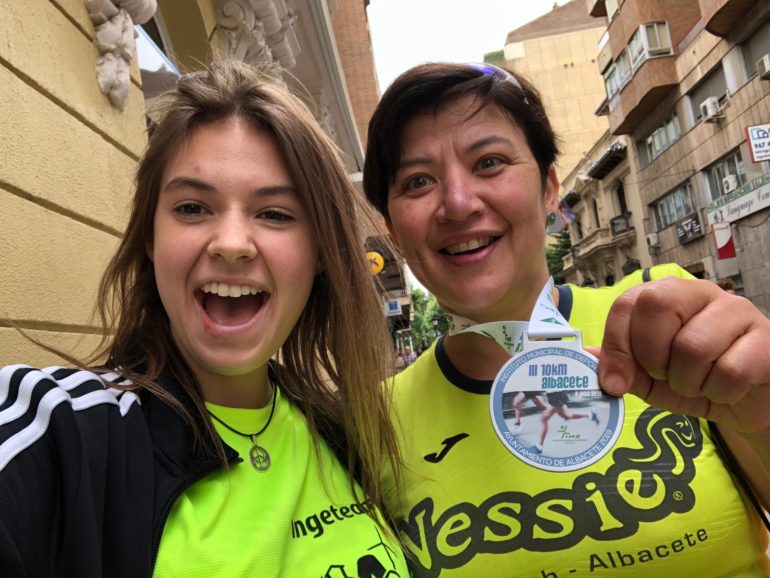
    Tess Wallace Tess with her host mom at the Albacete Half Marathon while studying abroad in Spain

    “It will hurt them getting into college.”

    This is another very common fear parents have about their child studying abroad. The college application process is more competitive than ever, so doing anything out of the ordinary might seem like it would hurt your child’s chances of getting into their dream school.

    Studying abroad makes a college application stand out; it serves as an example of how your teen is not only ready for college but that they will thrive in it. Showcasing the ability to grow in a totally new environment, being self-motivated, and passionate about learning are all things that colleges look for in their students.

    “But I will miss them.”

    They will miss you too. But they will return feeling accomplished with a newfound appreciation for the world around them. What more can you ask for as a parent?

  • What to Know Before, During, and After Your Teen Goes Abroad

    What to Know Before, During, and After Your Teen Goes Abroad

    So, your teen has asked to go abroad, huh? It can be hard to grapple with the common fears: “What if they get lost? Is it safe? What if they want to come home? What if I want them to come home?”

    And what makes everything a bit harder is not having another parent who you can talk things through, who can specifically relate to the process. The logistics and paperwork are complicated enough without having another person who knows what it’s like to have their child on the other side of the world.

    We think one of the best ways to help prepare you for your child to study abroad is to read about another parent’s perspective. In order to gather and present the first-hand experience, we asked Mary Scott some questions about how she felt before, during, and after sending her daughter, Emmy, abroad.

    What were some of your biggest worries about sending Emmy abroad? How did you overcome them?

    One of the issues I was worried about was that Emmy would have airline problems, such as a flight being delayed or canceled. This actually happened and when she called us from the airport, we just talked through it, and she figured out what to do. Greenheart’s team kept her calm and helped her schedule a new flight. My husband and I knew then that we had put her in the right hands. 

    Another worry that I had was that she would miss home too much, or rather that I would miss her not being at home too much. But I knew this was something she had been interested in for two years leading up to her applying. She wanted to have this experience for more than just being able to post pictures of it on Instagram; she wanted to improve her Spanish fluency and learn about another culture, and being immersed is the best way to do that. 

    What did you feel as a parent during each step of the process (before, during, after the program)? How did you see Emmy grow?

    As Emmy is a very motivated person and traveling abroad is something she really wanted to do, I feel like my husband Wes and I just sat back and let her do her thing. She researched Greenheart, read a lot of blogs about other students’ experiences and found out everything that she needed to do (paperwork, etc.) She basically let us know what she needed to do and when and earned money for the trip by selling our maple syrup at farm markets, redeeming cans and bottles, and her part-time job. I know this was a great experience for her as far as making sure she had all her ducks in a row. 

    While she was abroad, we made sure we weren’t constantly bombarding her with texts and skype calls which at first was difficult. However, we knew she would have a more enriching experience if she wasn’t having to think about us back in Michigan the whole time. We wanted her to be able to completely devote herself to speaking Spanish and learning about her new environment. 

    Emmy grew in more ways than we couldn’ve imagined. While she was very motivated and independent before, she grew almost tangible confidence from her program. After that summer in Salamanca, she went into her senior year of high school and signed herself up for Spanish classes at a community college nearby and received credit that she could later use for her degree when she went to university. She found a Spanish tutor as well. She did all of this not because she hadn’t learned enough in Spain, but because she found her passion there and wanted to continue her growth. 

    What was it like traveling with Emmy two years after her program in Spain? How did you see her program affect her life in a positive way?

    Oh my gosh! It was so awesome! I’d only been to England, Scotland, and Wales on a tour thirty years earlier and my husband, Wes, has never been overseas, although we’ve traveled many times throughout the U.S as a family. Spain was such a great country. With Emmy being so fluent in Spanish and knowing how to travel from one part of Spain to another, it was a great experience. I was so proud of her conversing with the locals and even being able to help other tourists when we were hiking part of El Camino de Santiago in Galicia. At one point she was able to help a sick woman on the trail find somewhere to stay for the day when she couldn’t speak to any of the hostel owners and they couldn’t speak to her. Emmy handled the situation perfectly!

    What advice would you give to other parents who haven’t traveled abroad before?

    I don’t know what advice I can give to other parents except to let your child do as much as possible in the planning of his/her cultural exchange program and when a problem comes up, discuss the different ways it can be solved instead of jumping in and telling them what to do. Make sure they have a realistic expectation of how much the trip will cost and how they can contribute to the expense. 

    What were some ways you supported Emmy while abroad?

    We kept in contact with her on Whatsapp. That worked out pretty well. She would send us pictures and small videos, also. She knew she could contact us if she had any concerns so we tried not to bother her too much! When she got homesick (which wasn’t very often) we reminded her that her feelings were valid and suggested that she take a walk or talk with her host family to see if there was anything they could do to make her more comfortable. We also sent her pictures of the dogs to cheer her up!