Author: Neel Simpson

  • Why Traveling Will Make You a Braver Person

    Why Traveling Will Make You a Braver Person

    I never would have considered myself a timid, nervous person, but I certainly wouldn’t have classified myself as brave, either. My decision to go abroad to teach in a homestay in Italy stemmed from multiple years of yearning for adventure. Adventure, which I had always dreamed of having, but never managed to.

    What is it that kept me (and countless others) from traveling when it’s one of our biggest dreams? Fear. Fear is the thing that holds you back. You fear leaving what you know for something you don’t. You fear not being able to buy the right plane ticket. You fear asking your boss for time off. You fear not being able to understand the language, or taking money out of a foreign ATM.

    You fear what will happen if you break out of your comfort zone.

    Fear is a funny thing, though. Once you face it, you realize that what you were so afraid of really wasn’t as bad as you thought. Yes, it’s a cliche. Face your fear, and you’ll return “Conqueror of the World.” Yes, this cliche is sometimes false– some fears are there for a reason (tight spaces or deep water, anyone?). But sometimes a fear coincides with something you really want, precisely for that reason– because you really want it. You fear what will happen if you don’t get it. And you fear what will happen when you do.

    Committing to traveling (not just deciding to go) is perhaps the biggest hurdle. After you take a deep breath, squeeze your eyes shut, and click ‘purchase’ on your plane ticket, the rest of the steps seem to fall into place. You’ll make a packing list, and then actually start packing. You’ll round up all your travel documents. You’ll plan your itinerary, book some reservations, and constantly feel like you’re walking around in a haze, because you’re finally going after your dream.

    Kayla-hiking-italy

    While all this planning will give you a confidence boost, nothing compares to when you’re actually overseas. I felt like a five-year-old at first, baffled by even the simplest things–like paying the bus driver, turning on the shower, and flushing the toilet (Europe has some wacky bathrooms, okay?).  But as I slowly became accustomed to all the differences, my confidence in myself grew. When you travel, especially alone, you have to depend on yourself. And with each passing day, you realize how resourceful you can be.

    I don’t know when exactly the switch in my brain flipped. Perhaps it was a gradual change, after days of asking strangers for directions, eating alone in cafes, deciphering maps, and meeting adventurous people day-in and day-out. I went from being afraid to leave the airport, staring at an unflushable toilet, to booking hostel stays in major cities and traveling to them alone, without a second thought. Now, instead of sitting at home dreaming about the possibilities, I sit with my laptop abroad and plan out when I will go horseback riding, hiking, skydiving.

    sunset in italy

    Traveling breaks you out of your comfort zone. It shakes up all your preconceived notions of the world and the people in it. It catches you off guard, occasionally frustrates you, and often leaves you breathless. It’s impossible to predict what will happen when you travel, and for this reason, you become adaptable. Able to roll with the punches. Brave.


    When have you taken the leap and followed your dreams despite being afraid? Tell us below!

  • 10 Ways to Become an Authentic Italian

    10 Ways to Become an Authentic Italian

    While teaching English in a homestay in Italy, Kayla Maneen has learned some appetizing and fashionable ins and outs of the Italian way of life.

    Below is her list of ten ways to become an authentic Italian:

    1. Olive oil makes everything better. Drench all your meals with it. While Americans may put a drizzle of it on salads, the Italians pour it over vegetables and pasta, and use bread to soak up the remains. They can—and often do—go through a giant bottle in a week.
    2. Always arrive at least twenty minutes late to wherever you are going. There is no such thing as being “on time.” Everyone and everything (including the trains!) is always just a little bit late. There are people to talk with, and things to forget, which seems to prevent anyone from arriving when they had intended.
    3. Eat all of the sweets and feel no shame. Not only are you “allowed” to eat chocolate, pastries, and other delectable goodies, you’re expected to. Especially for breakfast, or after dinner, as an afternoon snack, or whenever your heart desires. You won’t get any weird looks from Italians for indulging in dessert!
    4. Make your family your #1 priority. If you’re not with them, talk with them on the phone—multiple times a day. Don’t forget to include the in-laws!
    5. Always answer a phone call by saying “pronto”.
    6. Practice your (already pretty good) English with a native speaker. Don’t forget to stare at these native English speakers with great intrigue as they go about their daily business.
    7. Coffee just became your second religion. Cappuccinos, mocha-chinos, macchiatos, lattes, espressos… Try them all! And make sure to be picky about where you drink them, and what they should taste like. Italians take their coffee very seriously.
    8. Cultivate your sense of fashion. Men, women, children, and even the family dog Fido need to look good on a daily basis. If you don’t, people will stare. Pair a bad sense of fashion with being a native English speaker, and prepare to become famous. Also, if you’re going to the seaside, please pack a different bikini/swimsuit for every day.
    9. Nutella is the new peanut butter—use it well. It’s perfectly okay to become addicted, and to have it for breakfast, lunch, and dinner.
    10. Get used to a new food order. It’s pasta first, then salad, next is meat and cheese and bread, and finally fruit and/or dessert. Make sure to have an espresso at the very end. Break in your elastic pants, because you’re going to need them when eating in an Italian home.

    According to Kayla, if you take this advice to heart, you are well on your way to becoming an Authentic Italian. Congratulations!

    nutella in Italy

  • 5 Not-So-Common Tips to Make the Transition Abroad Smoother

    5 Not-So-Common Tips to Make the Transition Abroad Smoother

    Kayla Maneen, one of our teachers in a homestay in Italy, has come up with the following list of some noteworthy tips to keep in mind before and during your travels abroad:

    1.) Prepare yourself mentally for the change. Often, people get so excited to travel that they rush into it, guns blazing, and don’t take the time to really get used to the idea of living in a foreign country. Along with doing the research of what your country’s customs, people, and culture will be like, pause to think about what impact those things will have on you. If it’s common in their culture to eat rice every day, are you ready for that? If you’re going to live in a city, are you prepared for the constant noise? Just giving yourself a little time to think will do wonders on your sanity and culture shock when you’re adjusting to your new home.

    2.) Prepare for downtime. Travel is full of long, quiet pauses where you have nothing to do (riding in trains, waiting in line). You’ll definitely become better acquainted with yourself. But, if you want to fend off some boredom, pack books, eBooks, a journal, and any work or studying that you need to do. These things will become your best friends on the road. Or, if not quite that, your very much appreciated close companions.
    sailboats-on-a-lake-at-sunset

    3.) Take Vitamin C before and after your flight. I noticed that I got a cold each time I took a long journey, such as going from one country to another. The stuffy cabin air and other sick passengers are a breeding ground for viruses! I took Emergen-C packets, as well as drank immune system-boosting echinacea tea on my last cross-country flight, and I didn’t get sick! Supplements for the win.

    4.) In that line of thought, know that you probably are going to get sick at some point, and take measures to prepare for this. It’s a good idea to bring some DayQuil and Ibuprofen pills for when that day strikes. Trust me, you don’t want to be in the middle of sightseeing on a family vacation and get struck with a migraine that you have no medicine for (it’s almost as if I’m speaking from experience!). Most of the countries you’ll be in will have modern medicine and hospitals, but just to save yourself some hassles and headaches (especially the headaches), come with some provisions.
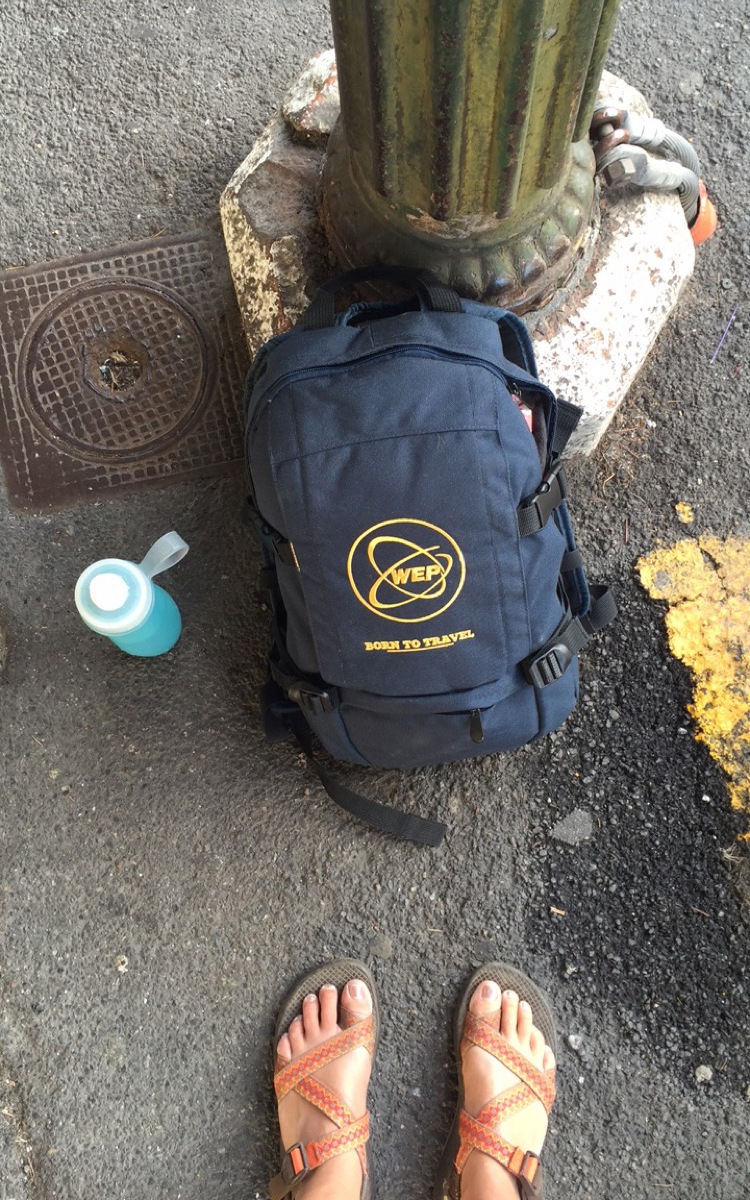
    travel-backpack

    5.) Exchange your money in the airport when you arrive. It’s much easier to just get your euros (or pounds, or Australian dollars) from an ATM, rather than bothering with going to a bank and exchanging your money beforehand. You’ll get a better exchange rate doing this, too.

    Do you have any more not-so-common tips to share? Tell us in the comments section! And as always, happy travels.

  • Italian Alternatives to American Things

    Italian Alternatives to American Things

    In my few months of teaching English in a homestay in Italy, it’s been exciting to see the differences and similarities between Italy and the United States. Read on to find out what I think the Italian versions of common American things are. Disclaimer: Not all the brands listed are specifically Italian or American, but are used in the two countries nonetheless. Carrefour Market, for example, is a French chain.

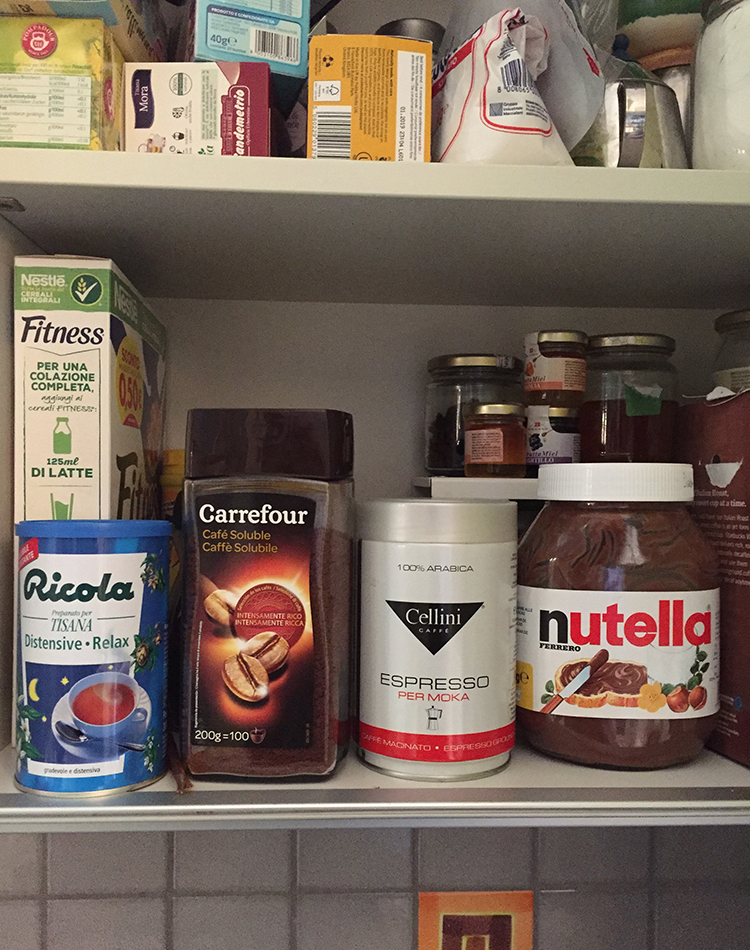
    inside-italian-cupboard

    American: peanut butter
    Italian: Nutella and various hazelnut and chocolate off-brand spreads

    American: Barnes & Noble
    Italian: Feltrinelli or Mondadori

    American: flip-flops
    Italian: sandals

    American: Starbucks
    Italian: Illy

    American: Hershey chocolate
    Italian: Kinder chocolate

    American: coconut oil, vegetable oil, canola oil, palm oil
    Italian: olive oil

    American: tie sweatshirt/sweater around waist
    Italian: tie sweatshirt/sweater over shoulders

    American: exercise a few times a week in the gym
    Italian: walk outside every day

    American: Walmart or Kmart
    Italian: Carrefour Market (more upscale than our American alternatives, however)

    American: Six Flags
    Italian: Gardaland (one location, near Lake Garda)

    American: meal prep in advance + leftovers
    Italian: make fresh meals everyday + eat everything

    American: stick deodorant (most common)
    Italian: spray, liquid, and gel deodorant (most common)

    American: large cups of coffee
    Italian: espresso shots

    American: pizza, wings, burgers and fries
    Italian: pizza, pasta, and sweet pastries

    American: Ford
    Italian: Fiat

    American: peanut, almond, cashew, and walnut-flavored things
    Italian: hazelnut (nocciola) EVERYTHING

    American: wheat, gluten free, or oat bread
    Italian: white bread

    Last but not least…

    American: McDonald’s
    Italian: McDonald’s

    Apparently, everyone is lovin’ it.

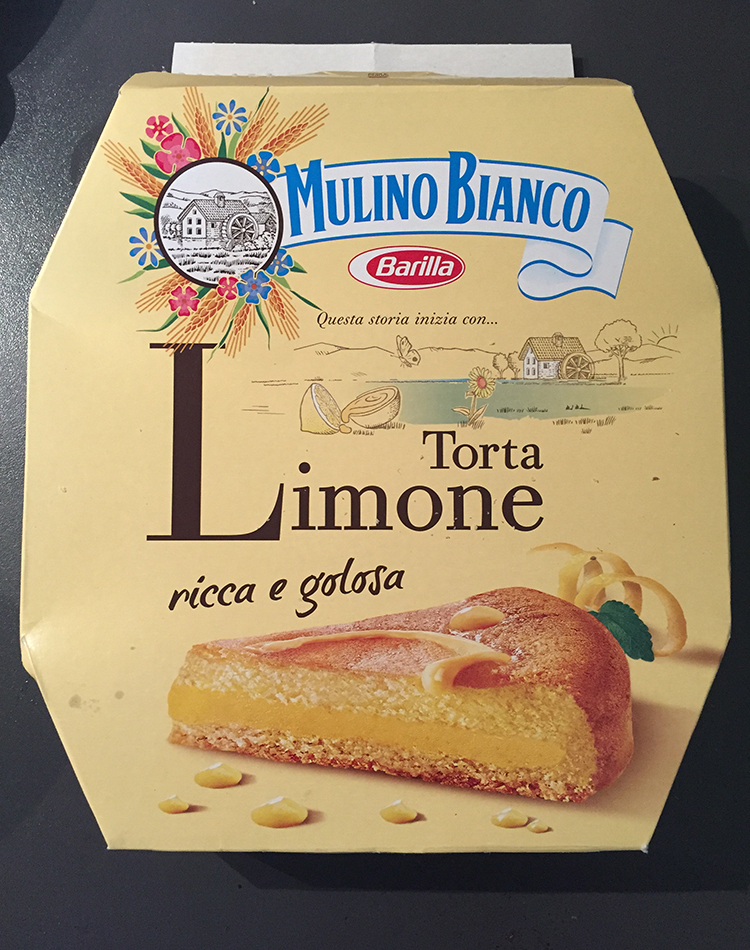
    italian-snack

    Know of any other Italian alternatives? Comment below! And as always, happy travels!

  • Kayla’s 6 Tips for Finding the Perfect Host Family Gift

    Kayla’s 6 Tips for Finding the Perfect Host Family Gift

    It’s common knowledge (let alone courtesy!) to give your host family a gift upon arriving at their home. While this step seems simple enough, when you get to thinking about what to purchase, you might suddenly find yourself stuck. You could bring them chocolate– but what if they don’t like chocolate? You could bring them a magnet shaped like your home state– but what if they don’t have a refrigerator? It might seem fine to bring a bottle of wine, but what if your family doesn’t drink alcohol/has really expensive tastes/shuns anything the color red (ok, perhaps the last one is a stretch)?

    Host gifts are an important aspect of your homestay, as they contribute to the first impression your new family has of you. While you shouldn’t worry too much about what to get, you should nevertheless put a bit of thought and effort into it.

    Here are some tips that helped me pick out a good (family approved!) gift:

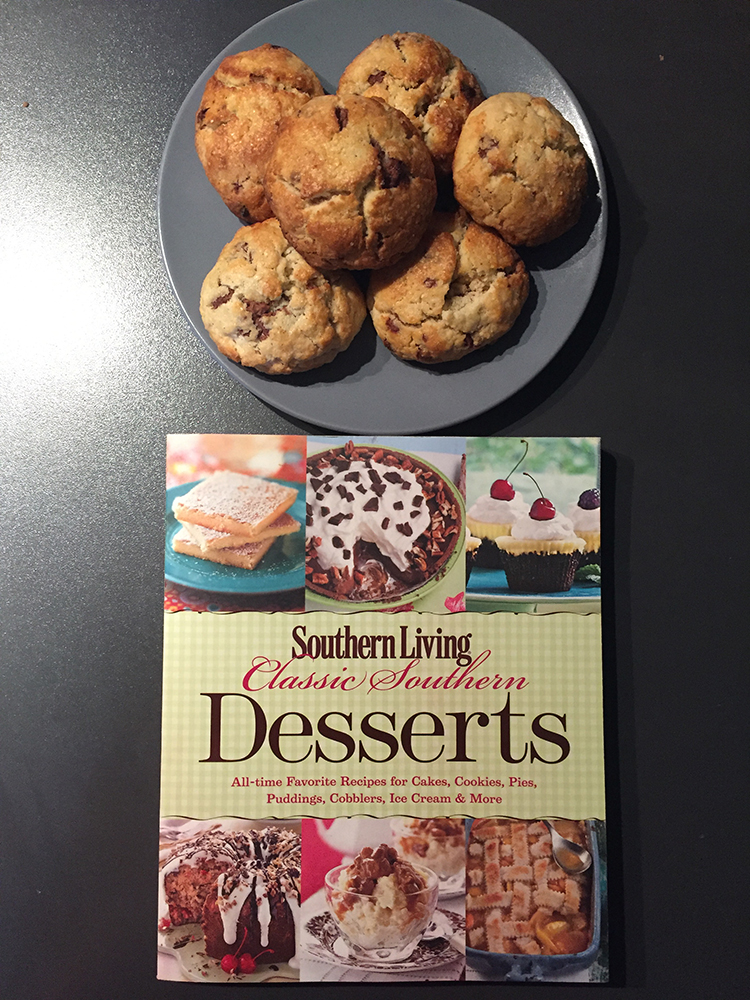
    1.) Know your family. This may seem obvious, but it needs to be mentioned because it is the most important aspect. Speak or email with your hosts before arrival so you get to know them better. You can find out if their children love fruit-flavored candy, that they like hiking on the weekends, that they have a weakness for vanilla puff-pastries. I found out that my family loved baking, so I got them a Southern-themed dessert cookbook. I also discovered that they collected magnets (they do happen to have a ‘fridge), so I got them a magnet shaped like North Carolina, where I live. Knowing little facts about your hosts can make your gifts much more meaningful.

    southern-cooking

    2.) Don’t give them anything that could be offensive. Read up on the host culture. You don’t want to find yourself wincing over giving your host something with an even number of contents, only to realize they consider even numbers bad luck. Check to make sure that the colors, numbers, and even shape of the things you’re giving them don’t have negative connotations in their society.

    3.) Gift food sparingly. It could easily spoil or spill on the plane, or you may even be prevented by customs by bringing it into the country. Instead, come prepared with recipes and a list of ingredients (that can be found in-country) of some typical dishes, and go shopping for and make the food there. That way, you can spend time bonding with your hosts while you cook the food with them. I brought just one box of the flour used to make peach cobbler, a traditional dessert of the South. Bring the bare minimum, and buy the rest upon arrival. Your hosts will appreciate the fresher food and the learning experience.

    4.) Bring a few smaller items, rather than just one big gift. That way, your hosts can get a broader feel of your home culture. Along with the magnet, cookbook, and cobbler flour, I brought a mixed bag of hard (read: unmeltable) candies for the kids, postcards of my city, and little tubes of honey made in my hometown. In showing them the many different aspects of my home, I gave them a better perspective of what my life in the American South is like.

    5.) Pictures and postcards are always a great option. Your hosts will love seeing your family and where you come from. Plus, pictures are light, small, and easy to carry.

    6.) Don’t go overboard. You don’t have to bring a suitcase full of stuff, nor do you have to break the bank. A few thoughtful items is perfect.

    And there you have it! Along with my tips, you can also ask friends or family who have gone abroad before you, or look up tips on the Internet (I admit I did my fair share of that before leaving!).

    As always, Happy Travels!

    Kayla

    If you have any tips you’d like to add, please share them in the comments.

  • How Italy has Made Me a Better Friend

    How Italy has Made Me a Better Friend

    In Italy, friendships are no joke. When two people are friends, they make an effort to talk to each other–on the phone– several times a week, keep in contact through texts and emails, and, of course, make plans to see each other in person as often as they can. While this seems very similar to the American friendship way, there is one glaring difference: Italians don’t neglect replying to their friends ASAP.

    When I receive a text message, I usually don’t open it or reply to it as soon as I get it, unless it’s an emergency (throwing myself under the bus, here). This is true of many of my American friends, as well. Maybe it’s just in our culture to put conversations with friends on the back-burner. I’ll be the first to admit that I’ve let text messages sit for several days before I reply to them. And forget talking on the phone with friends: with ‘so many things’ to get done, who has the TIME to converse with anyone?

    Italians don’t think this way. In fact, they’ll call you out if you start being negligent. After three separate Italian people commented on my lack of replying to a text (of that same day, mind you), I shaped up real fast. It’s unthinkable to an Italian to not return a friend’s message, or answer the phone when it rings. Italians don’t duck around grocery store corners to avoid people they know, and they actually check their voicemails. Being around this attitude has made me reconsider my own.

    Why DO we let messages from friends go unanswered? Why DON’T we treat electronic communication with the same type of respect as we do with face-to-face? Our friends are important to us– so why do we blow them off all the time?

    I don’t know the answers. What I do know is that life is short; too short to ignore the people that matter to you. The Italians made me realize that you can and should keep up with your relationships on a very regular basis. I’ve been making an effort now to reply as soon as I can to texts and emails (no phone calls for me, being abroad and all that). It takes merely a few seconds of your day, and you’ll feel wonderful for it.

    So make like an Italian and keep up with your friends. You only get so many, you know.kayla-italy-friendship

  • 6 Tips for Teaching Reluctant English Learners

    6 Tips for Teaching Reluctant English Learners

    You’ve arrived in your new country, you’ve settled in with your host family, and you’ve gathered your arsenal of English-language materials. You’re pumped and ready for your first lesson. When you finally meet your pupils, you let your passion and excitement for the language show…only to realize that they don’t quite feel the same way. Que horrible!

    What to do when your students aren’t feeling the English-learning love? Here are some tips that have helped me keep them interested.

    • Don’t force English on them. If they’re already wary of it, making them memorize verbs or repeat phrases is going to turn them away even more. The trick is to make learning English seem like an option, one that’s in their best interest of taking. A good way of doing this is to make English seem incredibly fun, and that they’ll be missing out on the magic if they avoid practicing it (this is especially effective with younger students). Utilizing a “take-it-or-leave it, but it’s your loss if you leave it” attitude has helped me keep students engaged.
    • Keep your lessons short. Nothing kills a reluctant student’s morale more than a long-winded lesson. Bite-sized chunks of info are better both for their memories and their attention skills.
    • Figure out their interests and cater to them. They like food? Plan your lessons around culinary and cooking. Someone has an undying love of cats? Bring in pictures of yours, make up a story featuring them, or play movie clips of the Aristocats. If learning English coincides with what they already like, they’ll be much more likely to engage with you.
    • Change it up. Make every lesson different. People like new experiences, and it’s no different when they’re learning a language. If one day you play a movie, the next day do something more active. Play games, sing songs, draw, color, write, and your students will love you. 
    • Have them teach you words in their language. This has been the most effective tip for me. By giving them some autonomy, you switch roles and allow them to feel in control. Even if someone has no interest in learning, he/she may have some interest in And when that person tells you a word or phrase in their language, it gives you the opportunity for you to teach him/her the English version of it. It’s win-win.
    • Not everything has to be an official lesson. Sometimes it’s good to just talk and play with your pupils. This is less intimidating and doesn’t feel like something they have to do (see Tip #1). Show them you’re not just an English teacher, but also their friend. You’ll go a long way in earning their respect and attention.

    Hopefully, utilizing these tips will help you on your English-teaching journey. Always persevere, keep a sense of humor and an open mind, and remember that patience is key. Tomorrow will bring a fresh start. You’ve got this!

    Anyone have more tips to share? Let us know in the comments! Happy travels.

  • 12 Things You Don’t Expect to Miss While Abroad

    12 Things You Don’t Expect to Miss While Abroad

    Going to another country is an engaging, exciting, and bit frightening experience. Everything is novel at first—the train system! The breakfasts! Waiting in line at the grocery store!—and the differences are why you went abroad in the first place. However, there comes a time, when in your new country, that you start to long for the familiar comforts of home.

    You expect to miss your family and friends, but there are other things you suddenly find yourself missing that perhaps you didn’t anticipate. Below are what I didn’t expect to miss while living in Italy.

    Things like:

    1. Driving
    2. Your routines (running in the morning, smoothies for breakfast, watching Netflix after dinner)
    3. Random foods from home that you don’t even really like (baked beans and Subway chocolate-chip cookies, anyone?)
    4. American accents
    5. Picking up the phone and calling who you want, when you want, and not having to worry about things such as international fees and data plans
    6. Endless free wifi
    7. Convenience of making your own schedule
    8. Magazine racks that carry English-language magazines
    9. Chain stores such as Starbucks and Forever 21 (…really)
    10. Being able to easily ask someone for directions without having to plan out what to say/how you’re going to ask
    11. Hearing English spoken in the streets, supermarkets, trains…
    12. Things you always took for granted but suddenly seem remarkably important—such as doors that you understand how to close and lock, how to order coffee at a café, and how to greet a friend’s extended family
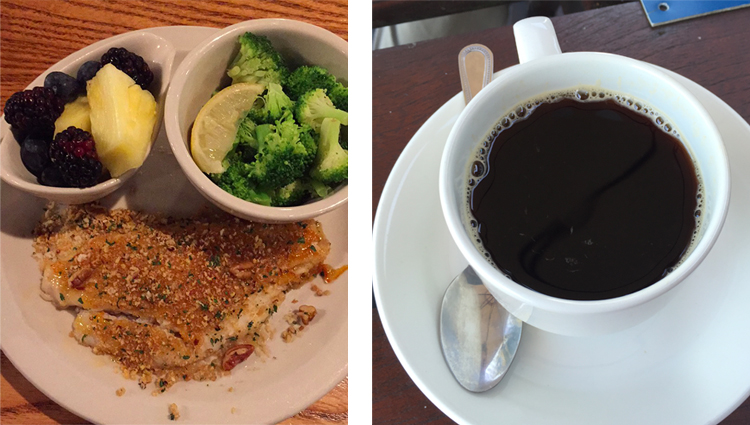
    While Italian food and coffee is delicious, sometimes I miss being able to order food in English.
    While Italian food and coffee are delicious, sometimes I miss being able to order food in English.

    Living abroad is a fantastic experience. You have the opportunity to become fully immersed in a host culture, seeing and doing things that you never could back home. As long as you keep in mind that eventually you will start to miss the little conveniences of home, you’ll be just fine.

    And what to do when that homesickness strikes?

    Well, perhaps you can use up a little bit of that international data plan to call a friend, or jam out to some Selena Gomez, or find the only restaurant in town that serves passable burgers and fries.

    Appreciate the differences and live in the moment. Because soon you’ll be home and find yourself missing those confusing, hard-to-lock doors, and people you can communicate with through only a simple smile.

    Happy Travels!

    Program-blog-button